

How Cotton Turned A Lake Into A Desert
The fourth-largest lake on Earth was actually drained on purpose.
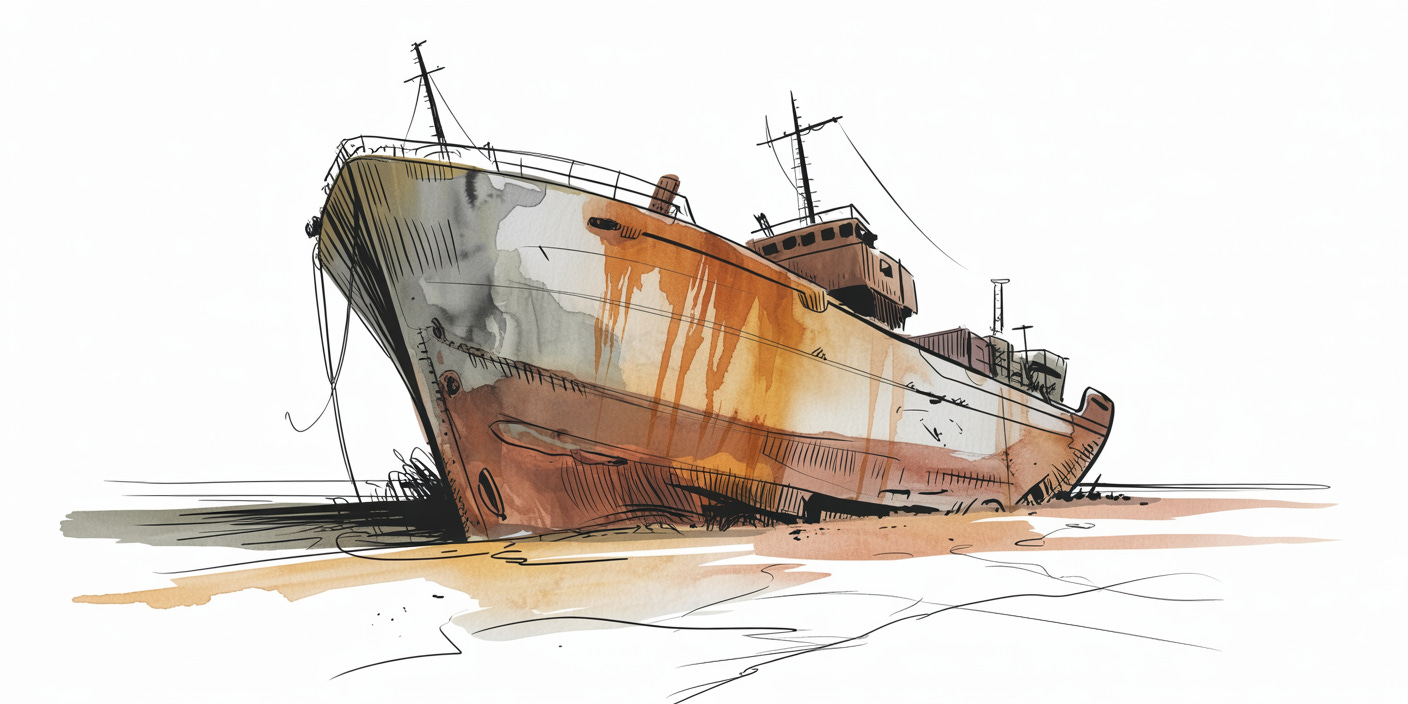
You’ve probably seen the photo of a ship sitting on dry land. No water. No horizon. Just rusted steel in the middle of a desert that used to be the bottom of a lake. That photo has a name and a date and a country. But most people who share it don’t know what decision made it possible.
In 1960, the Aral Sea sat on the border of Kazakhstan and Uzbekistan, fed by two rivers that had been running into it for millions of years. The lake covered more than25,000 square miles. Roughly the size of West Virginia. Its fishing industry employed 40,000 people and pulled about 48,000 tons of fish from the water every year.¹
The Soviet Union knew all of this. They had maps. They had engineers. They had a full understanding of what those rivers were doing and what would happen if they stopped doing it… and yes… they diverted them anyway.
