

The Apple of the Tropics That Never Made It to Your Store
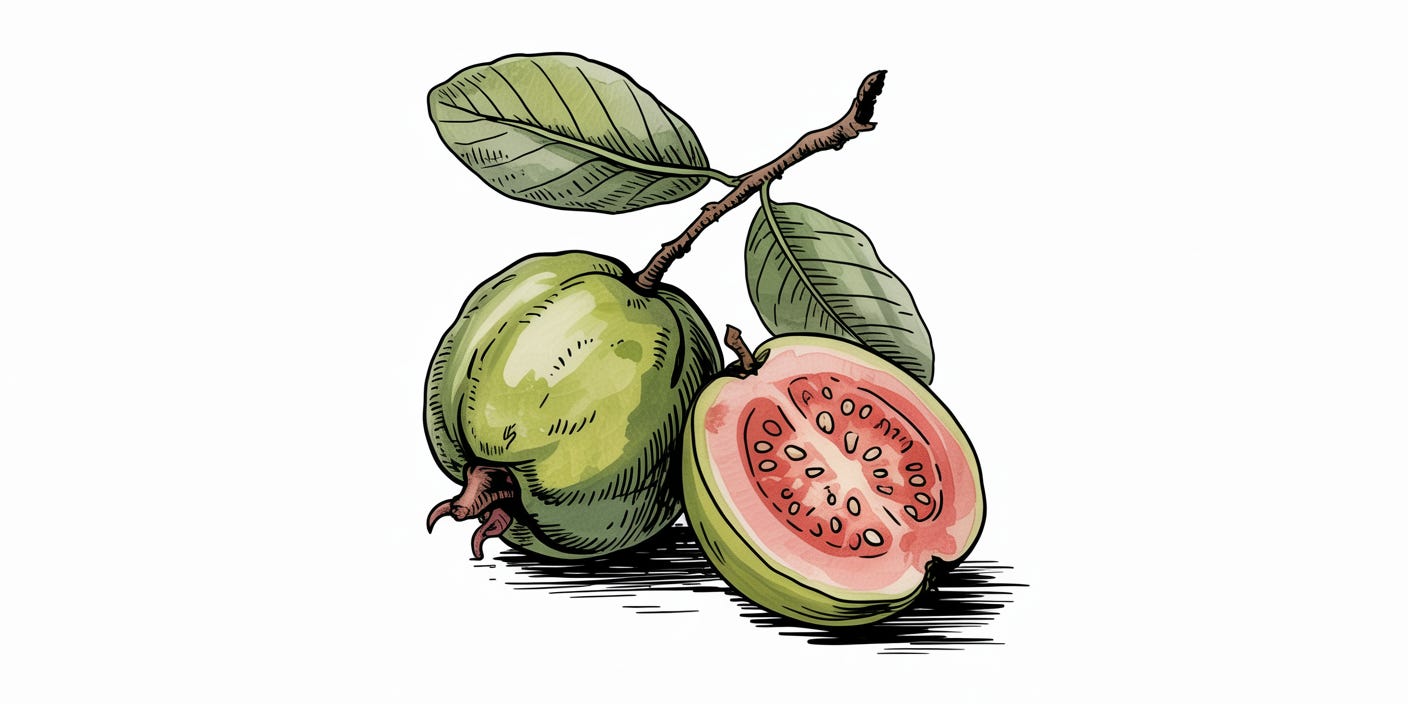
The fruit that almost made history and is now grown in almost every country is the guava.
Guava is actually native to Central and South America, specifically an area extending from southern Mexico through Central America and into Peru. Archaeological evidence suggests it was cultivated long before the domestication of maize and beans. But in the span of just a few hundred years, it spread to Southeast Asia and Africa. Early Spanish and Portuguese colonizers carried it from the New World to the East Indies and Guam. It was soon adopted as a crop in Asia and warm parts of Africa. Today, India and Mexico are by far the world’s largest producers.
It grows pretty fast and almost everywhere. The guava is a hardy tree that adapts to a wide range of conditions, from the humid lowland tropics to cooler elevations up to 1,500 meters. It can tolerate drought, light frost when dormant, and a wide range of soils from sand to clay. It’s so vigorous that in Hawaii, Malaysia, Fiji, and Florida it’s classed as a noxious weed that overruns pastures and roadsides.
And almost every part of the plant is useful.
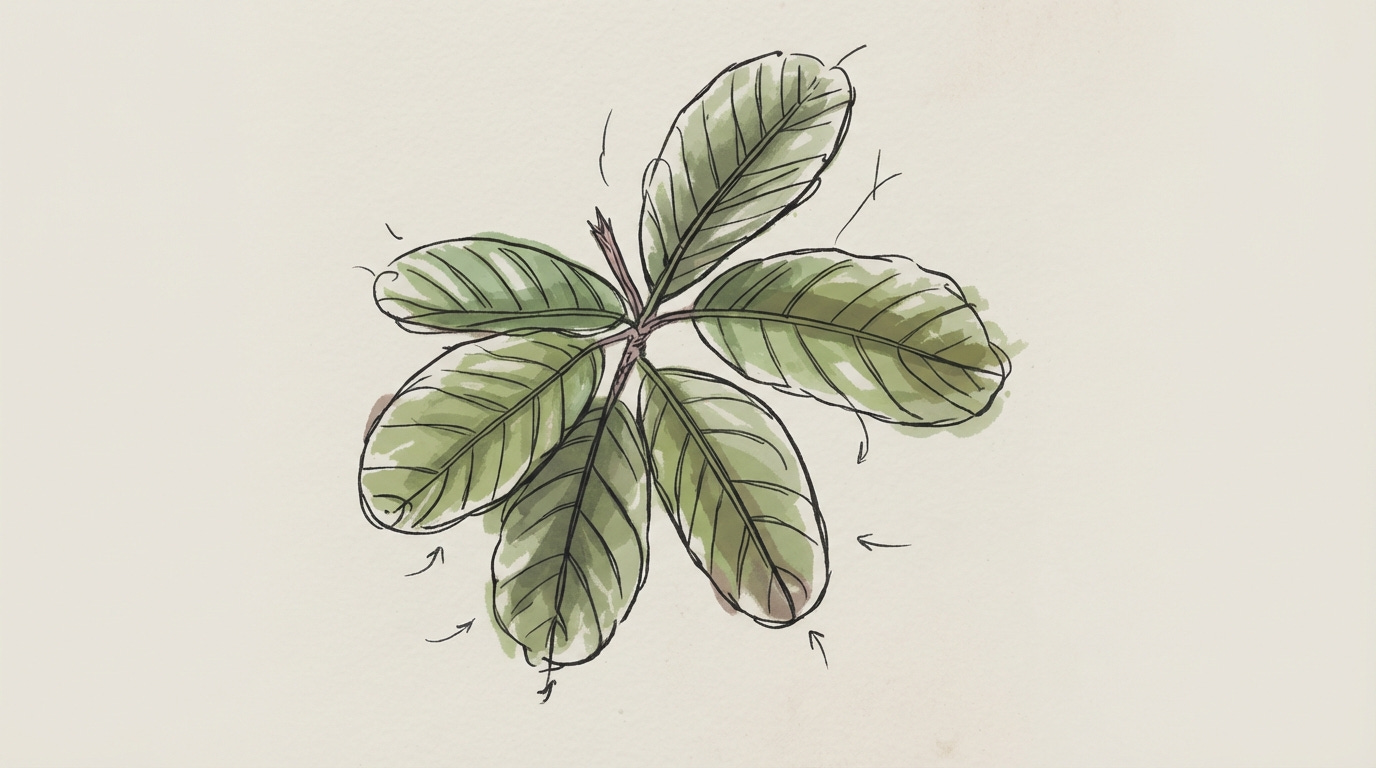
The leaves were used for things like diarrhea and stomach aches. Scientific literature confirms they’re effective against spasms, bronchitis, asthma attacks, and coughs. The leaves are pounded, squeezed in salt water, and the solution is used to treat toothaches.
Guava tree bark was used for cuts and skin conditions. Traditional formulations from the bark heal bed sores, treat skin diseases, and help with diarrhea and dysentery.
The seeds in certain varieties were used almost like a natural toothpaste. A 2019 study in the journal AMB Express formulated a herbal toothpaste with guava leaf extract as a major ingredient. It showed significant antimicrobial properties, minimal cytotoxicity, and very high cleaning ability. The seeds are also a source of dietary fiber and healthy fats.
When the conquistadores reached the Americas, they saw guava pretty much growing everywhere. Spanish chronicles from 1579 and 1580 correctly identify guavas as coming from Hispaniola and the Antilles. The fruit was so important in hot areas of the world that colonial records called guava “the apple of the tropics.”
But it never really stuck in the global market like apples or oranges. And there are two reasons for that.
First, they have a short shelf life. Because of their perishable nature, guavas are usually sold immediately after harvesting in local markets. Shelf life can be extended up to 20 days at 5°C, but at room temperature they last about 10 days in ventilated polybags. You can’t ship them across oceans like apples.
Second, people found the hard seeds annoying to eat. The seeds are small, round, and very hard with a smooth outer shell. An Italian food guide warns that the seeds can be hard, so it’s better to avoid chewing them so you don’t risk damaging your teeth. The fruit that could have been the world’s apple never made it because it bruises too fast and hurts your teeth.
A tree that grows like a weed. A fruit with four times the vitamin C of an orange. Leaves that heal wounds and seeds that clean teeth. And you’ve probably never tasted one.
Which is… pretty insane.