

The Corn You're Eating Isn't On Your Plate
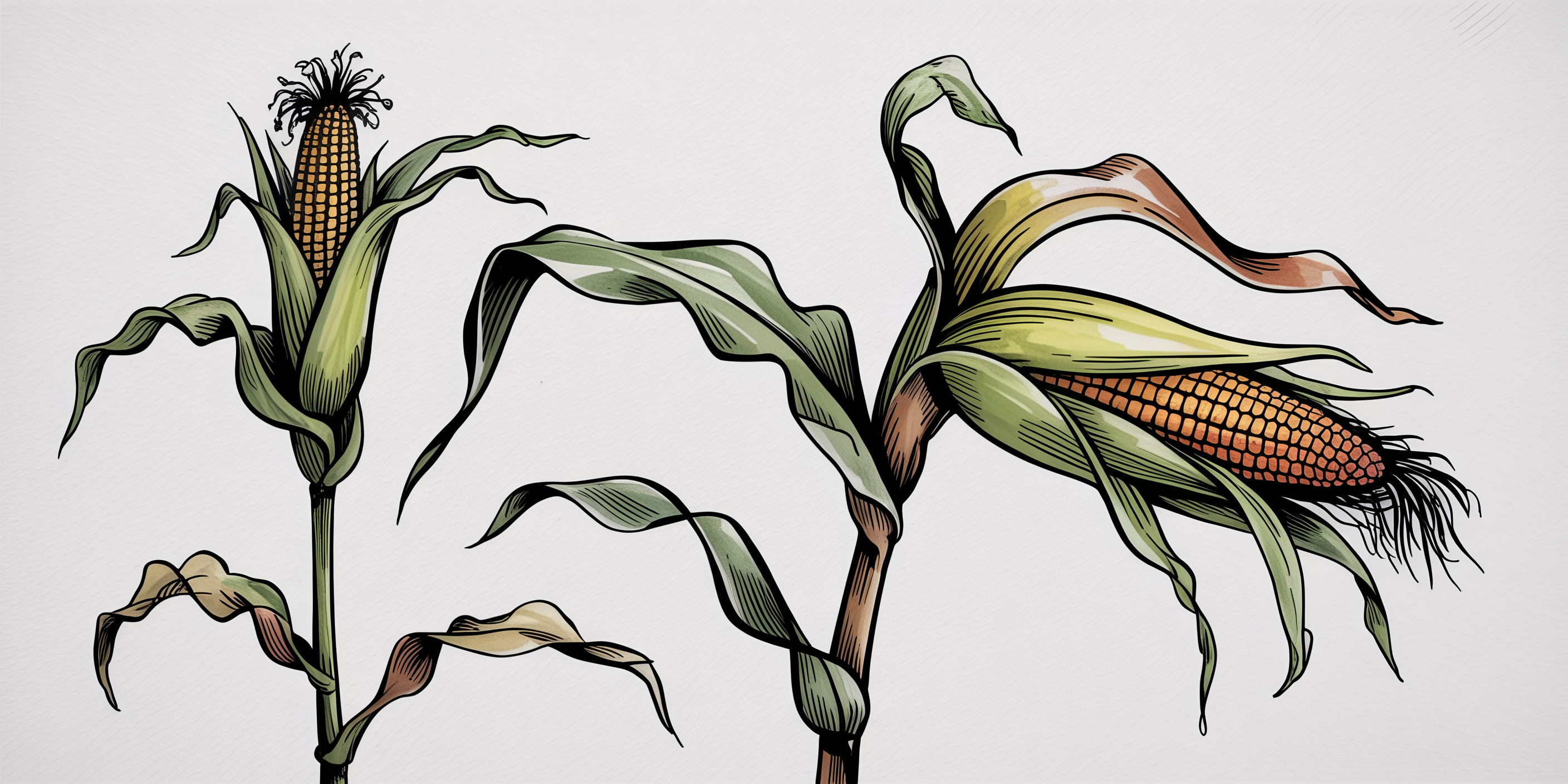
Most of the corn you’ve ever eaten, you’ve actually never seen.
Sweet corn, the kind you eat directly, on the cob or canned, accounts for less than 1% of all corn planted in the United States.¹ Field corn, the stuff grown on 90+ million acres across American farmland, is a completely different crop.² Only about 1,400 million bushels per year goes to direct human consumption.³ The rest, around 40% for animal feed, 45% for ethanol, and 15% for export, never reaches your plate as recognizable corn.⁴
Then in the 1970s, the government changed everything.
Earl Butz, Richard Nixon’s Agriculture Secretary starting in 1971, pushed farmers to produce as much corn as possible.⁵ Subsidies totaling $19 billion per year drove corn prices down.⁶ When corn flooded the market, the industry needed new uses. High-fructose corn syrup was first marketed in the early 1970s.⁷ By the late 1970s, corn-processing plants were running at just 60% capacity because sugar prices had crashed.⁸
