

The Crop That Almost Disappeared
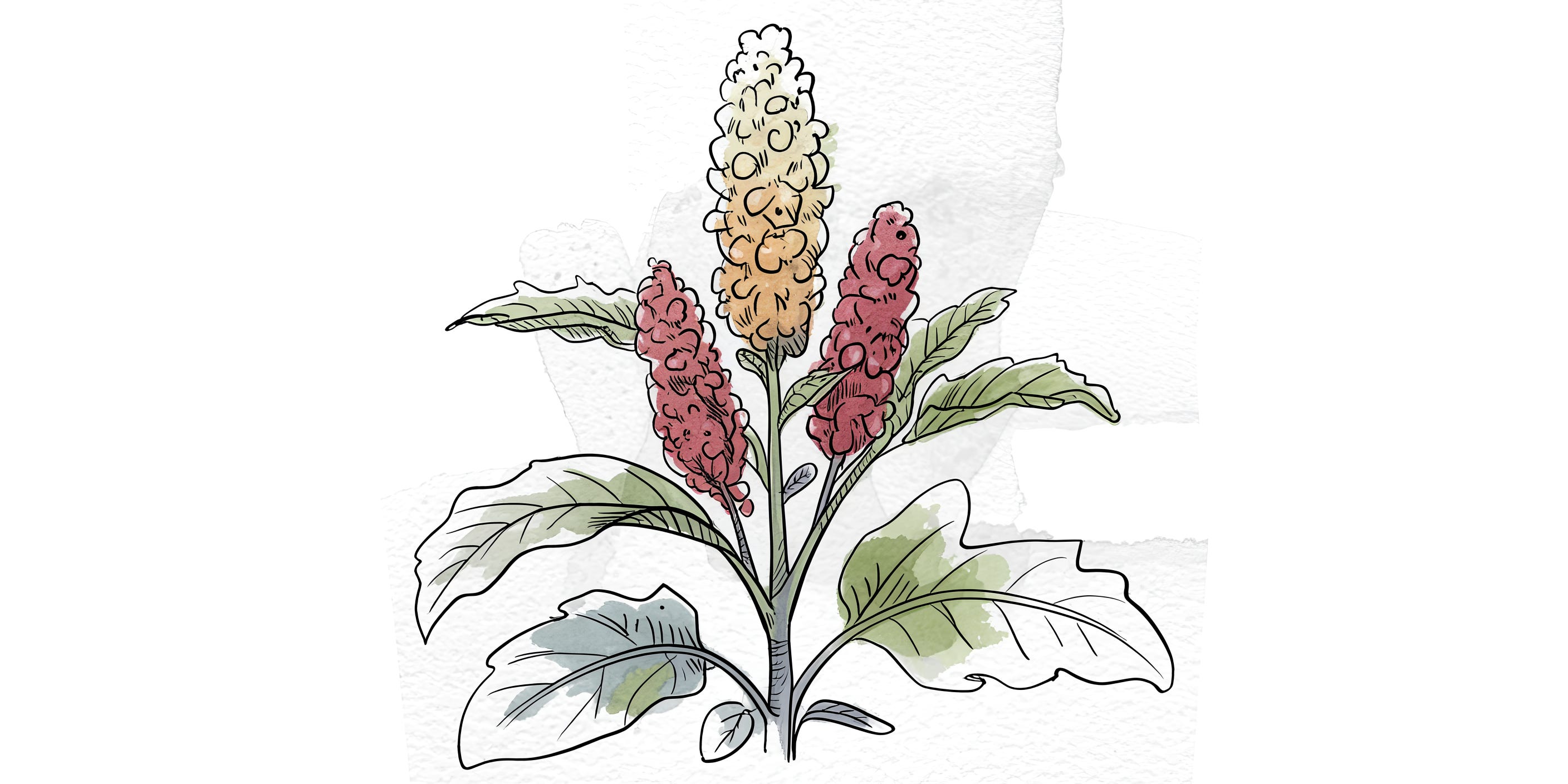
One of the greatest crops that actually almost disappeared is quinoa.
Quinoa grows best high in the Andes, between 8,200 and 13,000 feet above sea level.¹ Places where wheat and corn struggle to survive. It can handle frost down to 25°F, daily temperature swings from below freezing to 95°F, drought, poor soils, and salt concentrations as high as seawater.² The southern Bolivian altiplano where quinoa thrives sees more than 200 frost days per year and minimal rainfall.³
The seeds pack 14 to 18% protein, higher than wheat at 11%, rice at 7%, or corn at 9%.⁴ The protein contains all nine essential amino acids humans need, making it what nutritionists call a complete protein.⁵ Quinoa also has more iron, phosphorus, calcium, magnesium, and B vitamins than standard cereal grains.⁶ One cup of cooked quinoa provides 8 grams of protein and 5 grams of fiber.⁷
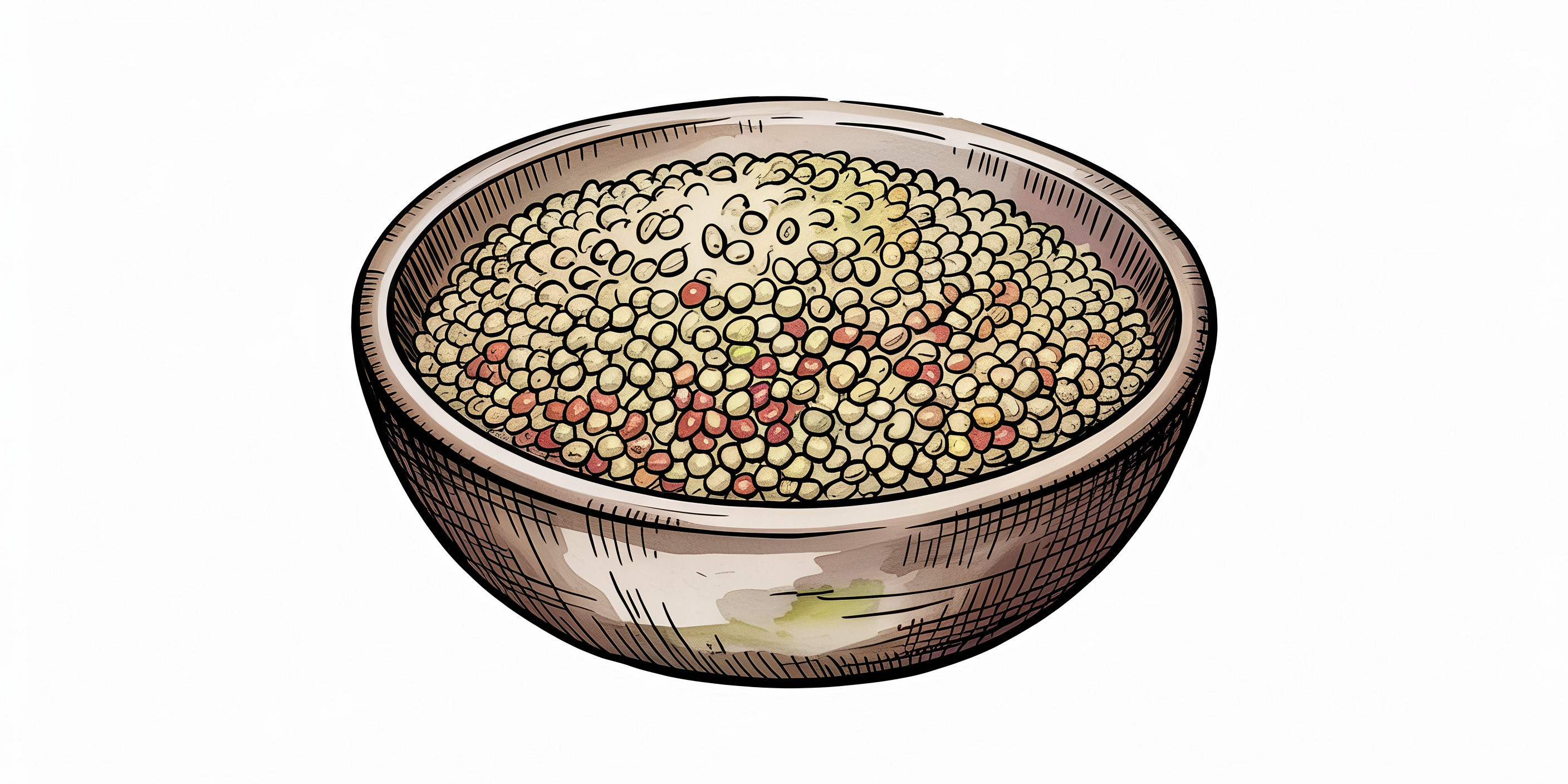
But the seeds are naturally bitter. They’re coated in saponins, chemical compounds the plant evolved as pest defense.⁸ Saponins foam like soap when washed and taste bitter enough to deter birds and insects from eating the seeds.⁹ People had to dry, wash, and scrub the seeds to make them edible.¹⁰ Commercial processing today removes about 72% of saponins, though home rinsing is still recommended.¹¹
When the Spanish arrived in the 1500s, they looked down on quinoa. They called it “comida de indios,” Indian food, and forced Indigenous farmers to incorporate European crops like wheat and barley into their farming systems.¹² Colonial authorities actively promoted wheat in the lowlands and pushed quinoa to the margins.¹³ In Chile, quinoa had almost disappeared by the early 1940s.¹⁴
Quinoa survived mostly in the highest, harshest regions where European crops couldn’t grow. The climate and poor soils that kept the southern altiplano outside the Spanish hacienda system also preserved quinoa cultivation through communal land management.¹⁵ The crop was neglected for centuries, dismissed as inferior despite its nutritional superiority.¹⁶
Now, as food systems face more stress from climate change, quinoa is being rediscovered. The FAO declared 2013 the International Year of Quinoa, promoting it as a solution to food insecurity.¹⁷ The crop can grow in places with minimal water, as little as 50 millimeters of rainfall per year.¹⁸ It withstands high salinity, making it viable for regions where irrigation has degraded soil quality.¹⁹ Climate forecasters see quinoa as critical for adapting to El Niño events and increasing drought.²⁰
Between 2006 and 2013, global quinoa prices tripled due to demand from North America and Europe.²¹ By 2013, quinoa was being cultivated in over 70 countries.²² Production spread from the traditional Andean regions to the United States, Canada, Europe, Kenya, and India.²³ Then in 2015, prices crashed when production outside South America flooded the market.²⁴
The boom and bust exposed contradictions. While quinoa has extraordinary potential for marginal lands and harsh climates, most quinoa now grown outside South America is planted on arable farmland, replacing crops like wheat and corn.²⁵ The crop’s advantage is precisely that it grows where other crops can’t, but commercial production prioritizes easy mechanization over climate resilience.²⁶
Which means a crop that was domesticated 7,000 years ago,²⁷ survived in the harshest growing conditions on Earth, and contains better nutrition than any major cereal, was nearly erased by colonial dismissal. Now it’s being rediscovered as a climate solution while simultaneously being planted in the wrong places for the wrong reasons.
The superfood that almost disappeared is finally being recognized. Whether it gets used the way it should be is still uncertain.
Sources
Wikipedia contributors. “Quinoa.” Wikipedia. https://en.wikipedia.org/wiki/Quinoa
“Quinoa: A Climate Proof Food.” FoodUnfolded. https://www.foodunfolded.com/article/quinoa-a-climate-proof-food
“The Story Behind The Popular Superfood, Quinoa.” Food First. https://archive.foodfirst.org/news/the-story-behind-the-popular-superfood-quinoa/
“Quinoa.” Agricultural Marketing Resource Center. https://www.agmrc.org/commodities-products/grains-oilseeds/quinoa
“Quinoa: A Plant-Based Complete Protein and A Nutritional Powerhouse.” Rupa Health, January 14, 2025. https://www.rupahealth.com/post/quinoa-a-plant-based-complete-protein-and-a-nutritional-powerhouse
“What is Quinoa? The seed of the Andes explained.” SA Expeditions. https://www.saexpeditions.com/blog/post/what-is-quinoa-the-seed-of-the-andes-explained
“Quinoa: A Plant-Based Complete Protein and A Nutritional Powerhouse.” Rupa Health, January 14, 2025. https://www.rupahealth.com/post/quinoa-a-plant-based-complete-protein-and-a-nutritional-powerhouse
“What’s the Deal with Saponins?” Quinta Quinoa, March 23, 2016. https://quinta.ca/2016/03/23/whats-deal-saponins/
“How To Rinse Quinoa And Remove Saponins?” Farm & Animals, September 15, 2021. https://farmandanimals.com/how-to-rinse-quinoa/
“Taking the Bitterness out of Quinoa.” The Cultured Cook. https://theculturedcook.com/2010/09/taking-the-bitterness-out-of-quinoa/
“An Insight into Saponins from Quinoa (Chenopodium quinoa Willd): A Review.” PMC. https://pmc.ncbi.nlm.nih.gov/articles/PMC7179108/
“Quinoa: Rise of an Andean Superfood.” JSTOR Daily, December 3, 2025. https://daily.jstor.org/quinoa-rise-of-an-andean-superfood/
“Quinoa: Rise of an Andean Superfood.” JSTOR Daily, December 3, 2025. https://daily.jstor.org/quinoa-rise-of-an-andean-superfood/
Wikipedia contributors. “Quinoa.” Wikipedia. https://en.wikipedia.org/wiki/Quinoa
“The Story Behind The Popular Superfood, Quinoa.” Food First. https://archive.foodfirst.org/news/the-story-behind-the-popular-superfood-quinoa/
“The Global Expansion of Quinoa: Trends and Limits.” PMC. https://pmc.ncbi.nlm.nih.gov/articles/PMC4860459/
“Quinoa.” FAO. https://www.fao.org/quinoa/en/
“Quinoa (Chenopodium quinoa Willd): nutritional profile, health benefits, and sustainability considerations.” Discover Food, May 31, 2025. https://link.springer.com/article/10.1007/s44187-025-00470-y
“Quinoa: A Climate Proof Food.” FoodUnfolded. https://www.foodunfolded.com/article/quinoa-a-climate-proof-food
“Quinoa: Rise of an Andean Superfood.” JSTOR Daily, December 3, 2025. https://daily.jstor.org/quinoa-rise-of-an-andean-superfood/
Wikipedia contributors. “Quinoa.” Wikipedia. https://en.wikipedia.org/wiki/Quinoa
Wikipedia contributors. “Quinoa.” Wikipedia. https://en.wikipedia.org/wiki/Quinoa
“Quinoa.” FAO. https://www.fao.org/quinoa/en/
Wikipedia contributors. “Quinoa.” Wikipedia. https://en.wikipedia.org/wiki/Quinoa
“Quinoa: A Climate Proof Food.” FoodUnfolded. https://www.foodunfolded.com/article/quinoa-a-climate-proof-food
“Quinoa: A Climate Proof Food.” FoodUnfolded. https://www.foodunfolded.com/article/quinoa-a-climate-proof-food
“Nutritional Composition and Bioactive Components in Quinoa (Chenopodium quinoa Willd.) Greens: A Review.” PMC. https://pmc.ncbi.nlm.nih.gov/articles/PMC8840215/