

The Drink That Started as Medicine and Ended as Soda
Most people have never actually had real root beer. What’s in the grocery store isn’t what the name describes.
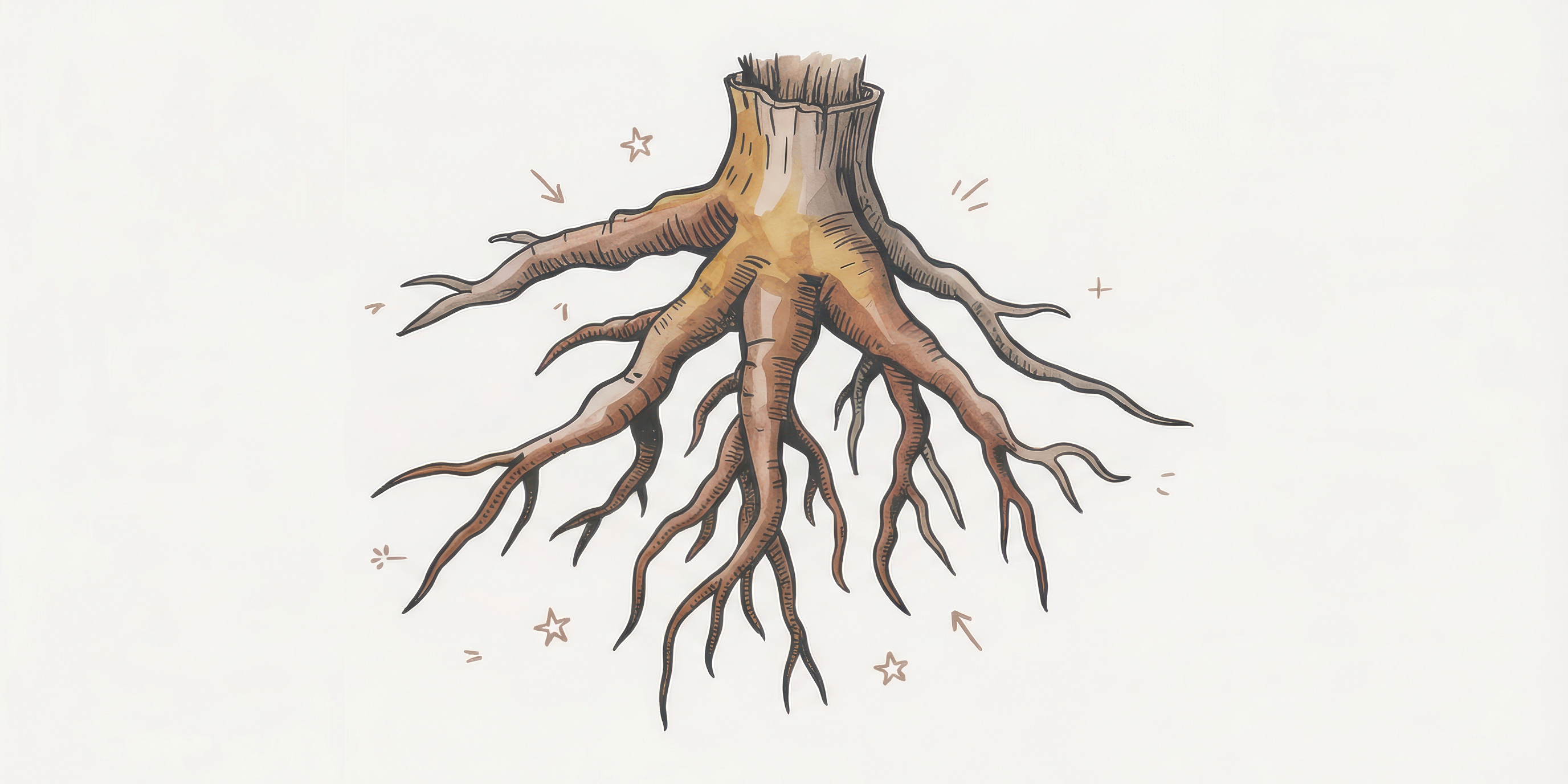
Traditional root beer was brewed from actual roots. From plants like the sassafras tree and the sarsaparilla vine. Native Americans had been using sassafras for centuries before Europeans arrived. The Choctaw people dried and powdered sassafras leaves to thicken stews and soups. They also brewed the roots into teas believed to treat aches, colds, fevers, rheumatism, skin conditions, and stomach issues. It didn’t hurt that sassafras tastes like anise, cinnamon, citrus, and vanilla all at once.
The English colonists called this drink “root tea.” It was bitter, so they’d use molasses or honey to make it more sweet. By the 1700s, American farmers had turned it into something called “small beer.” They’d take roots and herbs—sassafras, sarsaparilla, wintergreen, birch bark, dandelion root, hops, and more—boil them into a wort, strain it, add molasses and yeast, and let it ferment. The result was a slightly alcoholic, lightly fizzy drink that was actually pretty healthy, since boiling the water killed pathogens and the fermentation preserved it. Benjamin Franklin, George Washington, and Thomas Jefferson were known to drink it.
In the 1870s, a Philadelphia pharmacist named Charles Hires changed everything. Hires was on his honeymoon at a New Jersey farm when he was served root tea. He liked it so much he decided to commercialize it. In 1875, he developed a dry mix of herbs and roots that people could brew at home. He called it “root tea.”
Here’s the twist. Hires was a teetotaler. He didn’t drink alcohol and wanted to sell a temperance drink. But when he tried to market his product to Pennsylvania coal miners, his friend Russell Conwell—the guy who later founded Temple University—told him coal miners wouldn’t drink something called “tea.” They’d drink something called “beer.”
So Hires changed the name to “root beer.” He debuted it at the 1876 Philadelphia Centennial Exposition, marketing it as “the temperance drink” and “the greatest health-giving beverage in the world.” It was an instant success.
Root beer was only called “beer” because it was fermented and foamy. But it was sold as a healthful drink. In the 18th and 19th centuries, “blood purification” was a popular health theory. People believed their blood got thick and sluggish over winter and needed cleansing come spring. Root beer was marketed as a detox drink that could do exactly that. Druggists sold it for its medicinal qualities. Some even claimed it could cure cholera.
By 1886, Hires was bottling his root beer. By 1893, it was distributed nationwide. During Prohibition, non-alcoholic root beer exploded in popularity as a beer substitute. A&W opened its first root beer stand in 1919. Barq’s, which used sarsaparilla instead of sassafras, had been around since 1898.
Then, in 1960, the FDA banned safrole.
Safrole is the aromatic oil found in sassafras roots and bark. It’s what gave traditional root beer its distinctive flavor. But research in the early 1960s showed that safrole caused liver damage and cancer in laboratory rats. The FDA prohibited its use in commercially mass-produced foods and drugs.
Root beer had to change. Manufacturers switched to artificial sassafras flavoring. Some figured out how to make safrole-free sassafras extract. But the drink lost its roots. Literally.
The beverage that Native Americans used as medicine, that colonists fermented into small beer, that Charles Hires turned into a temperance phenomenon, that survived Prohibition and two world wars—it got replaced by chemicals in the 1960s. What started as an herbal tea brewed from the forest floor ended as artificially flavored soda in a can.
Sources
Wikipedia. “Root beer.” https://en.wikipedia.org/wiki/Root_beer
Reading Eagle. (2015). “For fans of root beer, today is a day to celebrate.” https://www.readingeagle.com/2015/05/16/for-fans-of-root-beer-today-is-a-day-to-celebrate/
Taylor & Francis. (1999). “Sassafras.” Tyler’s Honest Herbal. https://www.taylorfrancis.com/chapters/edit/10.4324/9780203819692-67/sassafras-savory-341
The Daily Meal. (2023). “The Medicinal Roots Of Root Beer Date Back To Pre-Colonial Times.” https://www.thedailymeal.com/1265041/origin-story-root-beer/
Wikipedia. “Charles Elmer Hires.”
https://en.wikipedia.org/?curid=542422
JAMA. (1976). “Sassafras and Herb Tea.” The Journal of the American Medical Association, 236(5), 477. https://jamanetwork.com/journals/jama/article-abstract/354514