

The Flower That Fooled Your Taste Buds and Got Banned by the Mayor
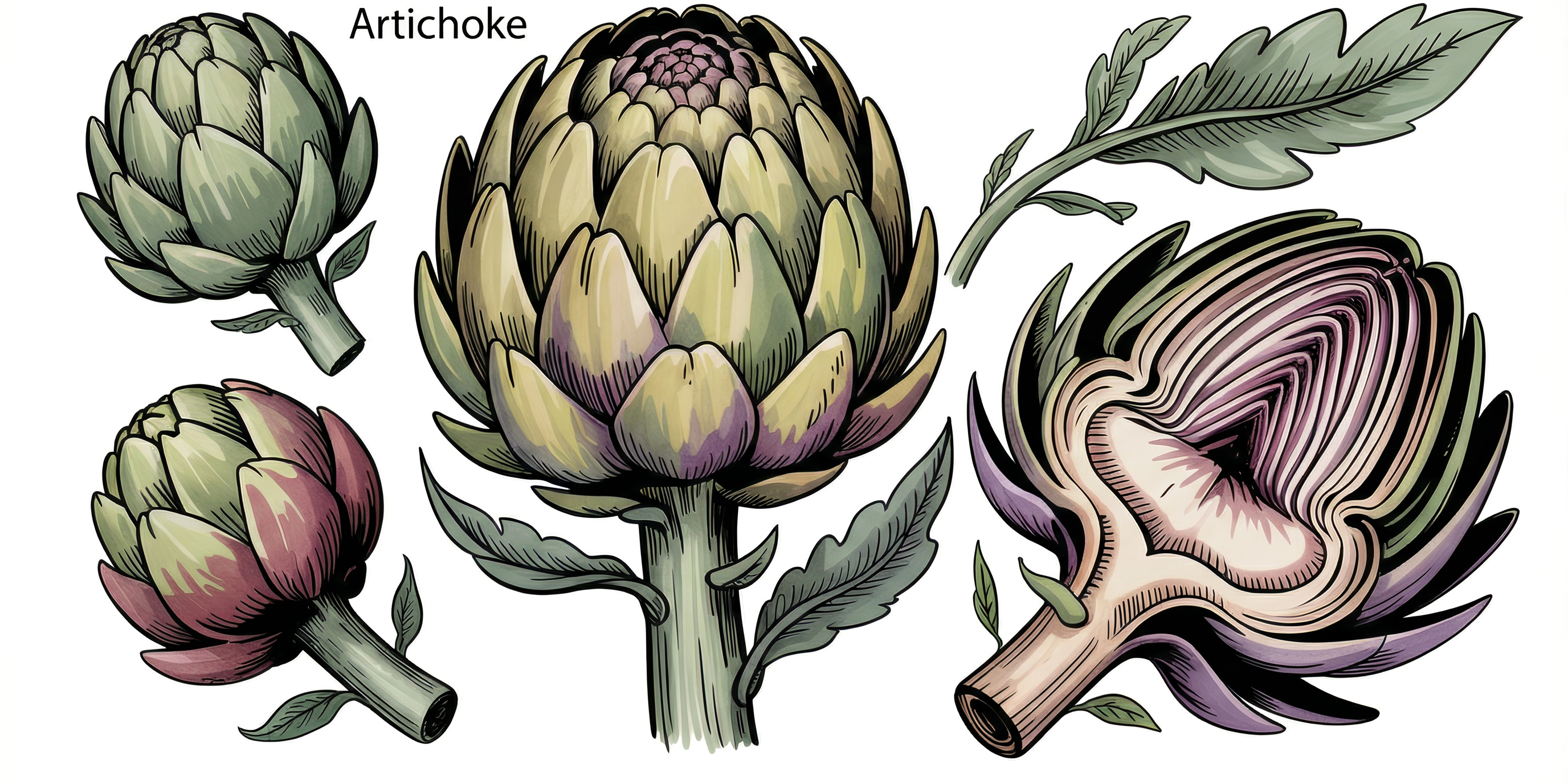
If you’ve ever eaten an artichoke, you’ve actually been eating a flower thistle. A big, dramatic, prehistoric looking one.
Artichokes are the unopened bud of a thistle. Specifically, Cynara cardunculus var. scolymus. If you let them grow for too long, they bloom into a bright purple flower about six inches across. What you’re eating is the plant’s attempt to reproduce, stopped halfway.
Here’s the part that doesn’t make sense. Artichokes have a compound called cynarin. I had to sound that out a few times. It doesn’t taste sweet on its own. But it changes how your taste buds work. It makes anything you eat or drink—even just plain water—taste sweet.
Cynarin temporarily blocks the sweet receptors on your tongue. They sit there, dormant. But when you stop eating, or take a sip of water, those receptors rebound. They suddenly activate all at once, and you get a phantom sweetness that isn’t really there. A 1972 study in Science confirmed this exact mechanism. The cynarin washes away, and your brain interprets that absence as sugar.
So if you’ve ever finished an artichoke, drank some water, and thought your tap was broken, that’s why.
Now, the other strange thing about artichokes. In 1935, the mayor of New York, Fiorello LaGuardia, banned them.
