

The Food of the Gods You've Never Actually Eaten
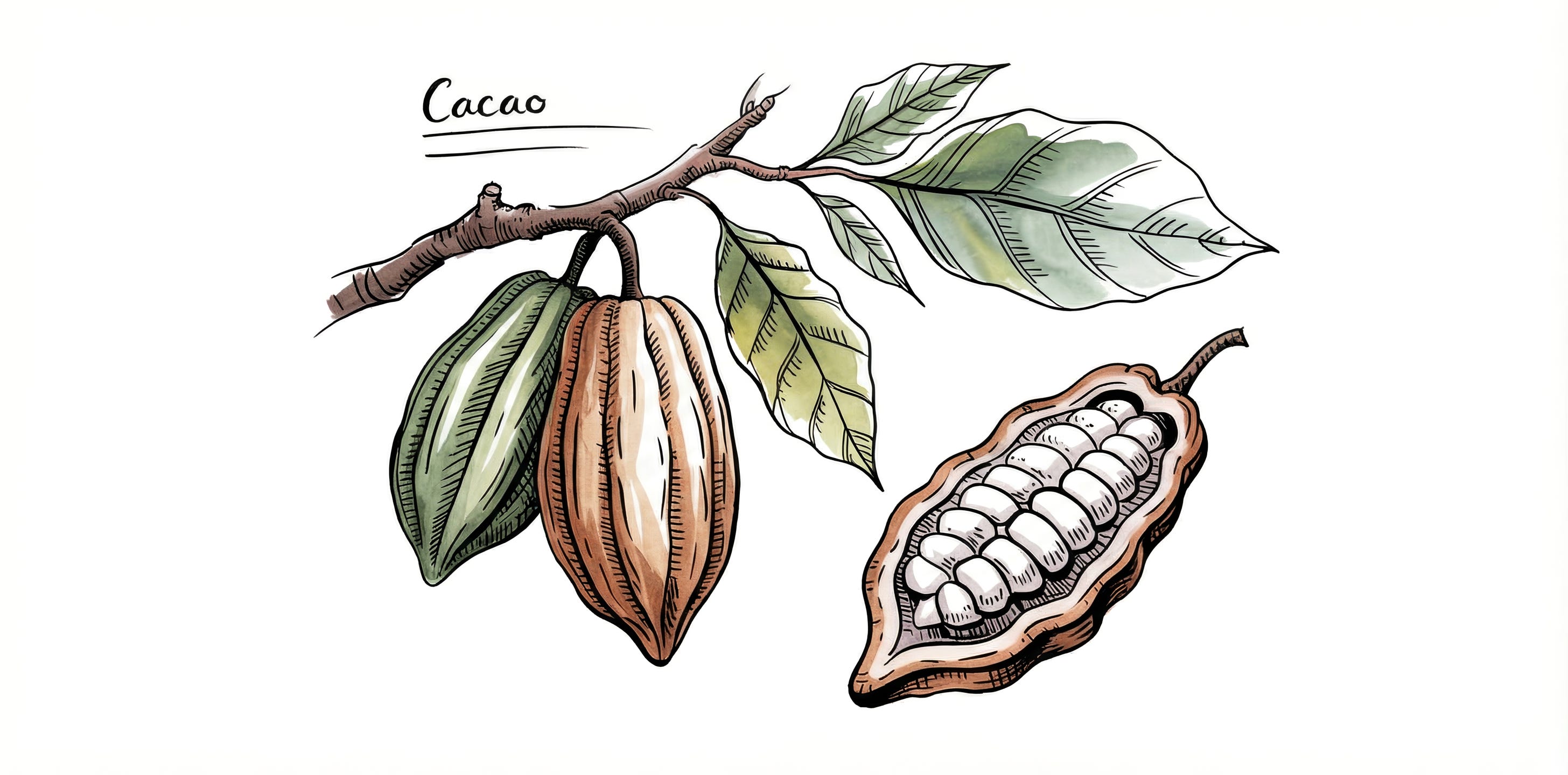
Most of you have never eaten raw chocolate. And that’s because if you did, you’d probably never eat chocolate again.
Chocolate comes from a cacao tree, and it grows in these pods directly on the trunk. The tree is cauliflorous, which is a fancy word I had to look up that just means the flowers and fruit sprout right from the wood instead of the branches. Each cacao pod holds about 30 to 50 beans.
But it takes about 400 of those beans to make a single pound of chocolate. A mature tree produces roughly 2,500 beans per year, so one tree gives you maybe six pounds of chocolate annually. If you’re lucky.
Those raw beans are usually really crunchy and kind of bitter. Actually they’re aggressively bitter. The flavor is earthy, almost like dirt mixed with intense astringency. So to process them, they have to be dried in the sun and roasted in a hot fire. Then fermented. Then dried again. The whole thing takes weeks.
The Aztecs would mix ground cacao with chili or cornmeal to make a drink called xocolatl. The word literally means “bitter water.” They’d pour it from one vessel to another to create foam. They believed it was an energy booster and an aphrodisiac. Montezuma, the Aztec emperor, supposedly drank 50 cups a day from a golden chalice.
But when cacao was brought to Europe, everything changed. The Spanish added sugar, cinnamon, and eventually milk. They kept the drink for themselves. For over a hundred years, Spain guarded the secret of chocolate from the rest of Europe.
Only the elites were allowed to drink it. It was a symbol of wealth and power, served in royal courts and expensive chocolate houses in London. It cost as much as gold in some places.
Cacao was considered the food of the gods. That’s why the scientific name Theobroma cacao translates directly to “God Food.” Carl Linnaeus, the father of plant taxonomy, named it that in 1753. The Greek theos means god, broma means food.
A plant so bitter you’d spit it out raw became the most beloved sweet treat on earth. A drink reserved for Aztec emperors became the thing in your Easter basket. And the whole transformation started because someone decided bitter water needed sugar.
Sources
UC Botanical Garden at Berkeley. (2025). “Does Chocolate Grow On Trees?” https://botanicalgarden.berkeley.edu/learn/garden-stories/does-chocolate-grow-on-trees/
ofi. (2025). “The Fascinating Journey of Cauliflorous Cocoa Cultivation.” https://shop.ofi.com/journey-of-cocoa-cultivation
National Confectioners Association. (2015). “Fun Facts About Chocolate.” https://candyusa.com/story-of-chocolate/fun-facts-about-chocolate
History Channel. (2025). “Chocolate’s Sweet History: From Elite Treat to Food for the Masses.” https://www.history.com/articles/the-sweet-history-of-chocolate
Wikipedia. “Theobroma.”
https://en.wikipedia.org/?curid=1560134