

The Fruit That Fell From Stars and Never Made It to Your Store
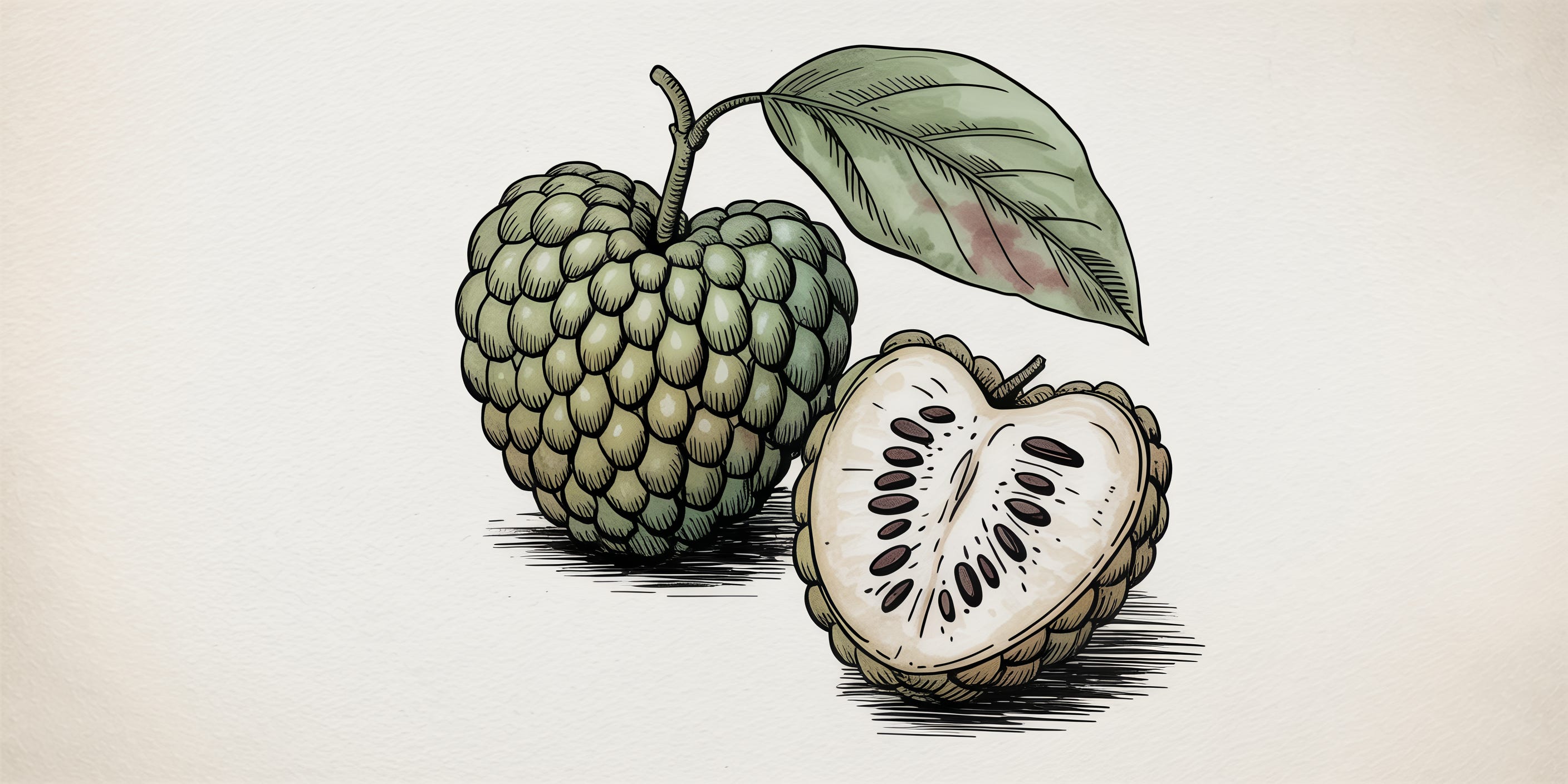
One of the world’s best tasting fruits is actually pollinated by beetles. Not bees. Not wind. Small beetles, crawling deep inside the flowers, doing the work.
Out in the wild, sugar apples depend on beetles from the Nitidulidae family to pollinate them. The flowers are hermaphroditic, meaning they have both male and female parts, but they don’t cooperate. The female part, the stigma, is ready to receive pollen a full day before the male part, the anthers, release any. By the time the pollen is available, the flower is less accessible. Only small beetles can wiggle in there at the right moment and transfer the pollen. Bees can’t do it. The wind barely helps.
That’s why most growers usually have to pollinate those trees by hand for better fruit. In Australia, commercial custard apple growers, which are hybrids of the sugar apple, hand pollinate to increase fruit set and improve the shape and size. They collect pollen from flowers, store it overnight, and apply it the next morning with a small brush. One person can do 150 to 200 flowers an hour. It’s slow. It’s precise. But it works.
Sugar apples actually originated in the tropics of the Americas. The exact native range is debated, but it’s generally agreed they come from tropical South America, the West Indies, or possibly Central America and southern Mexico.
But by the 1500s, Portuguese and Spanish explorers had spread them across Africa and India.
