

The Fruit That Had to Stop Being Natural
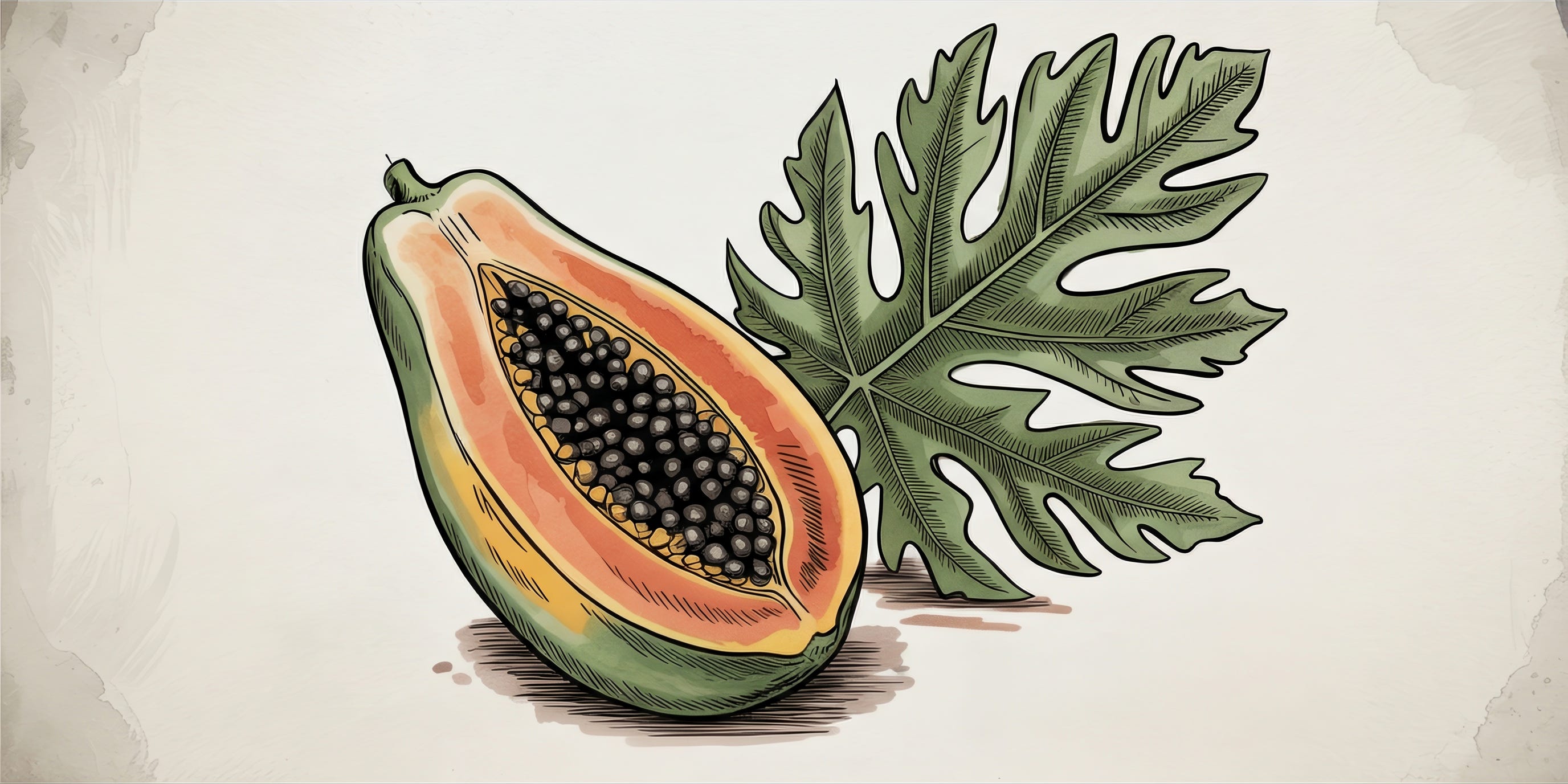
The papaya in your kitchen actually shouldn’t exist. Not because of anything it did. Because of what humans did to it.
In the 1990s, something called Papaya Ringspot Virus wiped out ninety-five percent of Hawaii’s papaya trees.¹ The virus causes unsightly ring-shaped blemishes on the skin and drastically reduces fruit production. The fruit stays safe to eat, but the appearance makes it unmarketable. Aphids carry the virus from plant to plant. There is no cure.²
Before the virus hit the Puna district on the Big Island’s eastern coast—Hawaii’s most productive papaya-growing region—farmers there grew more than 50 million pounds of papaya annually. Their harvests accounted for over 90 percent of the state’s entire crop.³
The entire species was going extinct. At least the commercial version you recognize.
Keep reading with a 7-day free trial
Subscribe to The Insane Archive to keep reading this post and get 7 days of free access to the full post archives.