

The Fruit That Mastodons Ate and Humans Saved
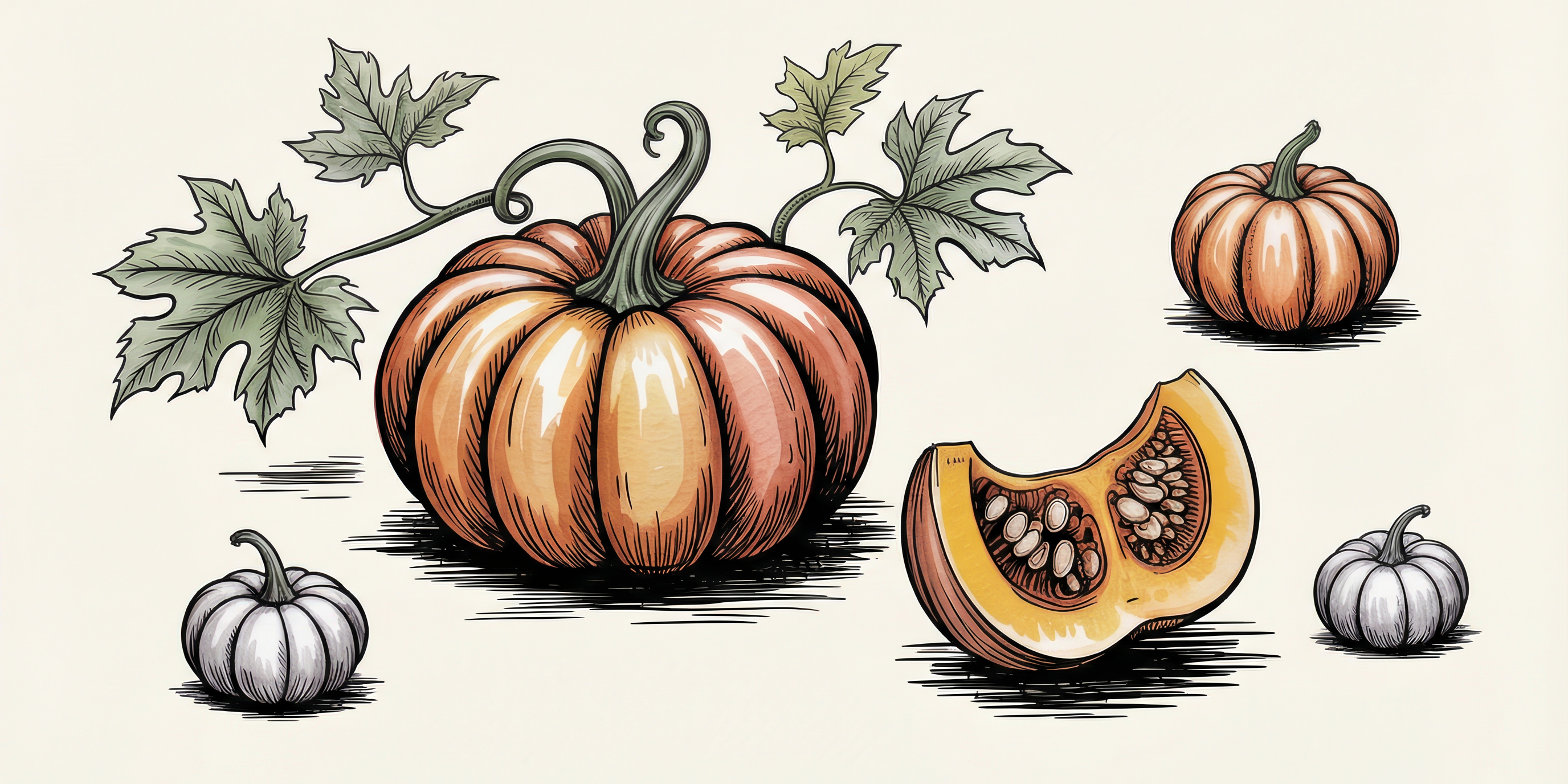
If you were to eat a wild pumpkin, you’d probably suffer extreme diarrhea. Maybe worse. Wild Cucurbita fruits contain cucurbitacins, bitter toxic compounds that can cause stomach ulcers and have been known to kill unsuspecting eaters.
Long before humans, ancient pumpkins grew wild across the Americas. They were small. About the size of a tennis ball. And they were incredibly bitter. Most animals avoided them entirely.
But mastodons had guts tough enough to handle the chemicals. We know this because paleontologists have found wild squash seeds in 30,000 year old deposits of mastodon dung in Florida. The giant animals ate the fruits, wandered miles, and deposited the seeds in fresh piles of nutrient rich dung. That’s how they spread.
Here’s the weird part. The relationship was mutual. Mastodons got food. Pumpkins got their seeds distributed. And the megafauna also trampled down vegetation, creating the patchy disturbed landscapes where weedy pumpkins thrived.
Then the mastodons died off. Around 10,000 years ago, North America’s megafauna vanished. The pumpkins lost their dispersal partners. Smaller animals like mice and shrews couldn’t replace them. They have far more bitter taste receptor genes. A nibble of toxic squash could kill a mouse.
By the time early humans arrived, wild pumpkins were already growing across the Americas. But their future was bleak. Without giants to eat them and spread them, populations were declining. Some wild lineages are now completely extinct.
Then humans stepped in.
