

The Fruit That Took 4,000 Years to Stop Tasting Like Poison
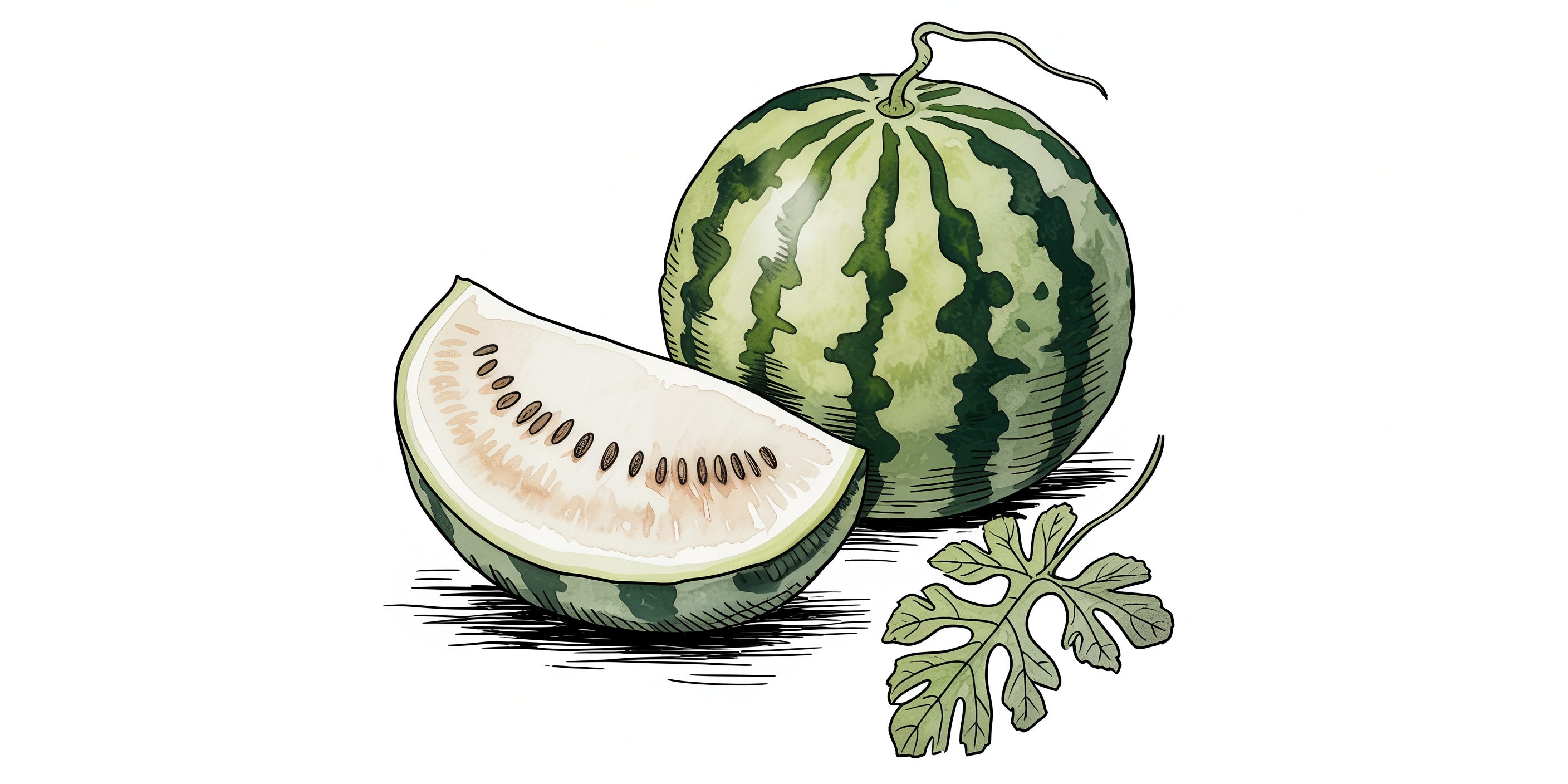
If you had bitten into a watermelon 5,000 years ago, you would have spit it out immediately. Not because it was sour. Not because it was unripe. Because it was aggressively, violently bitter. The kind of bitter that makes your throat close up and your brain scream do not swallow this.
That bitterness wasn’t a mistake. It was a weapon.
The watermelon’s ancestors evolved a chemical defense system called cucurbitacins. Its also in most gourds. These compounds are so bitter that they deter almost every animal from taking a second bite. Wild watermelons were small, round, pale green inside, and filled with hard seeds. The flesh was either completely bland or intensely bitter. They weren’t really food, they were a plant telling the world to stay away.
But something kept coming back...
In 2019, a team of scientists led by Kew Gardens sequenced the genomes of watermelon seeds found at an archaeological site in the Sahara Desert in Libya. The seeds were radiocarbon dated to more than 6,000 years old. As far as anyone can tell, they are the oldest plant genomes ever sequenced.
What they found was unexpected. The seeds came from a watermelon relative called the egusi melon, Citrullus mucosospermus. The flesh of this fruit is bitter and inedible. But the seeds are large, nutritious, and taste similar to pumpkin seeds. On the ancient seeds, the scientists found human teeth marks.
Neolithic Libyans were not eating the fruit. They were cracking open the bitter melons, pulling out the seeds, and eating those. The flesh was discarded or fed to animals. For thousands of years, the watermelon’s value was not in its taste. It was in its seeds.
Meanwhile, further east along the Nile Valley, something else was happening.
Keep reading with a 7-day free trial
Subscribe to The Insane Archive to keep reading this post and get 7 days of free access to the full post archives.