

The Grass That Breathes for Us
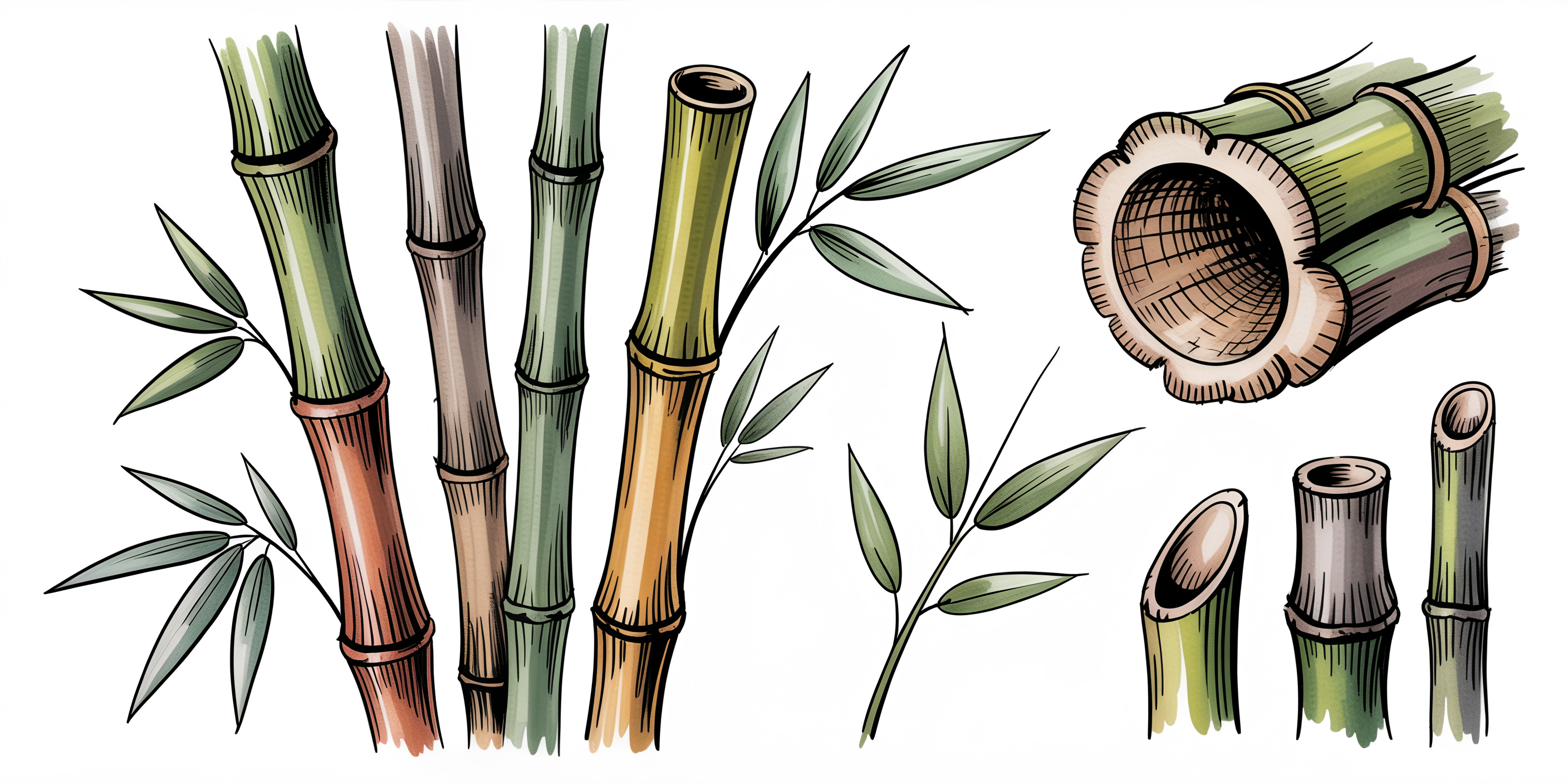
Most people don’t know this, but humans get more oxygen from bamboo than from trees.
Bamboo can grow more than three feet in a single day. The Guinness Book of World Records lists certain species with growth rates of 2.91 feet per day. That’s 1.5 inches every hour. Some sources say 39 inches in a day. Others say 47.6 inches. The exact number depends on the species and conditions, but the point stands. It’s the fastest growing plant on earth.
If they’re growing in the right conditions, you can actually hear them. On calm, warm days during shooting season, bamboo groves make soft popping sounds. It’s not wind or insects. It’s the sheaths rubbing against the culms as they expand. The sound of growth.
While bamboo grows, it produces 33 to 35 percent more oxygen than most trees. One analysis of online data shows the phrase “bamboo produces 35% more oxygen than trees” appearing in multiple sources with high statistical confidence. The Odisha Bamboo Development Agency confirms it: bamboo recycles CO2 and produces 35% more oxygen than an equivalent stand of trees. It pulls carbon from the atmosphere and lends it to humans to breathe.
Bamboo is technically a grass. It belongs to the Poaceae family, subfamily Bambusoideae. Not a tree. Never was. It has a hollow structure and a really cool root system called a rhizome. Unlike tree roots that grow deep, bamboo rhizomes stay shallow. They store energy from mature canes and push new shoots upward really fast. Those shoots emerge from the soil with all the cells they’ll ever need. They don’t divide and multiply like animal cells. They just fill with water and stretch.
