

The Lost Plant That Gave Us the Heart Shape
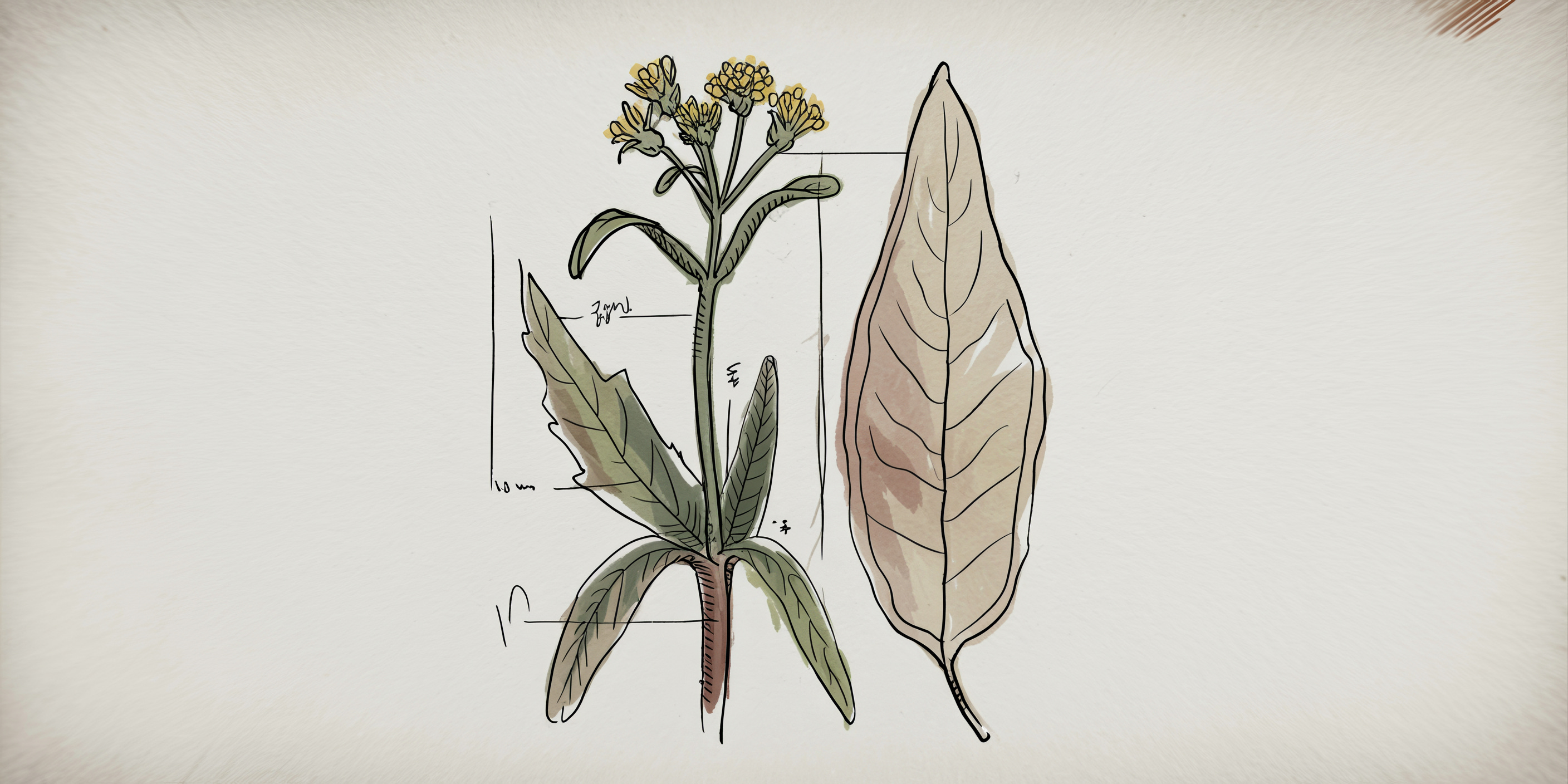
The fake shape that everyone calls a heart actually came from a plant.
Silphium is a plant that only grew in a small region of what is now modern day Libya. A narrow strip of land about 125 miles by 35 miles along the coast of Cyrenaica. That was it. Nowhere else on earth.
Romans used them to make medicines and as a spice. They roasted the stalks like vegetables. They ate the roots dipped in vinegar. They grated the dried sap over everything from brains to braised flamingo. The sap was called “laser” and it was as fundamental to Roman haute cuisine as eating your food horizontally in a toga.
But it was famously used as a natural contraceptive. Basically an ancient version of birth control. Physicians recommended a monthly dose the size of a chickpea mixed with water. Pliny the Elder described using the resin with soft wool as a pessary to promote menstrual discharge. In the second century AD, a physician named Soranus claimed a special recipe with silphium had been used to terminate pregnancies.
The shape of the seeds became a symbol of romance without consequence. The seeds are heart shaped. And because the plant was so closely tied to love, sexuality, and consequence free intimacy, that shape got linked to the whole package. Desire. Freedom. The goddess Aphrodite.
