

The Plant That Became a Candy and Lost Its Soul
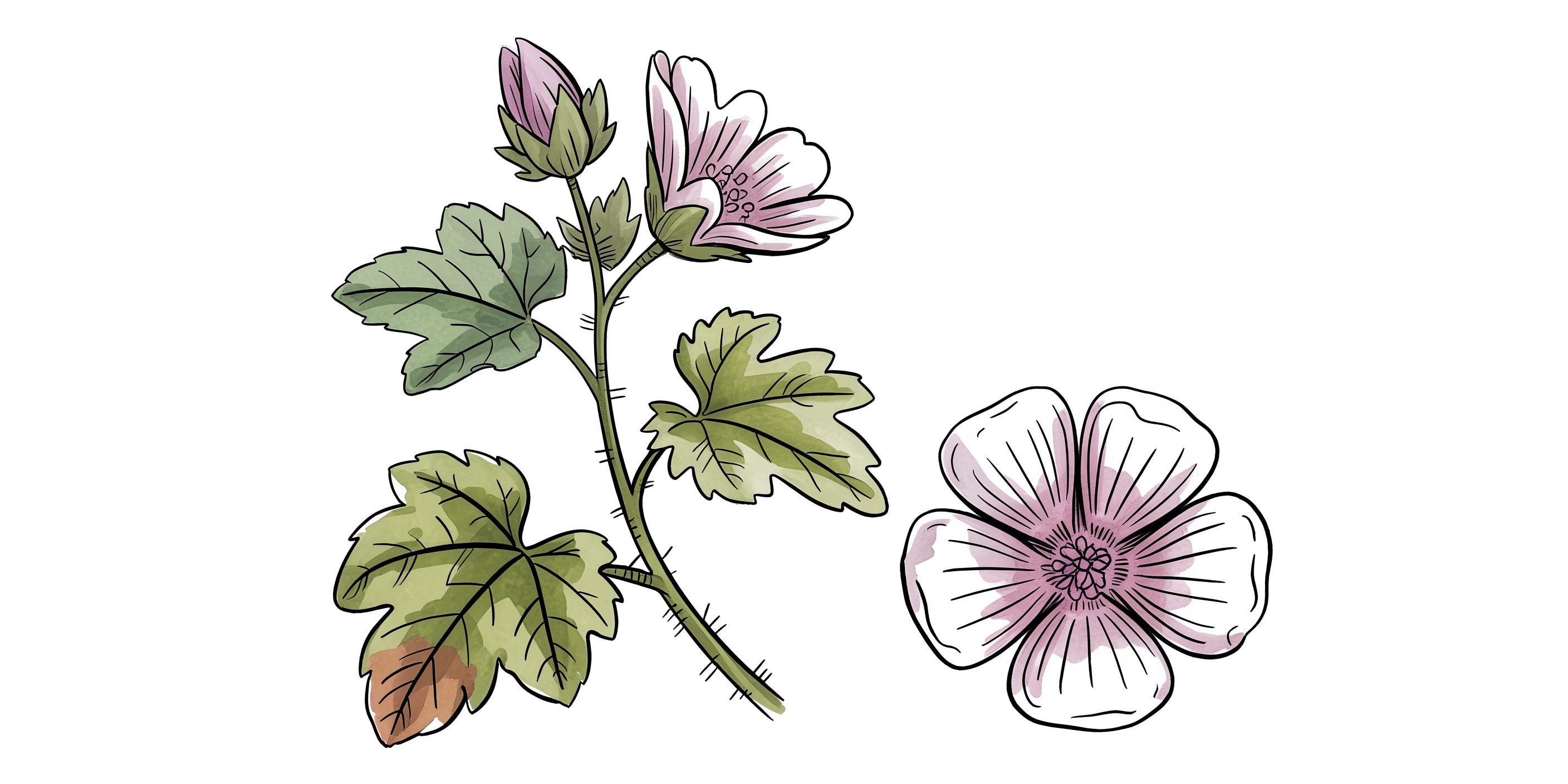
Most people don’t know this, but the original marshmallow came from a plant. Not a factory. Not a bag of sugar and gelatin. A real plant growing in marshy ground.
Marsh mallow is a plant that mostly grows in the marshy areas of Europe, North Africa, and southwestern Asia. It’s a tall perennial, reaching four to six feet, with soft gray leaves and pale pink flowers that bloom in late summer. It likes damp places. Sides of ditches. Banks of tidal rivers. Salt marshes. Exactly where the name suggests.
The original name Althaea officinalis comes from the Greek word althainein, which means “to heal.” The genus name literally translates to “to cure.” Hippocrates prescribed it. Pliny wrote about it. Dioscorides documented it. For thousands of years, it was medicine.
The plant has a bunch of gooey stuff in the roots. It’s like a sticky sap called mucilage. The same compound that makes okra slimy. If you soak the root in cold water for six to eight hours, it releases this gelatinous substance. It’s slippery. Thick. Perfect for coating irritated tissue.
Ancient Egyptians used it to heal wounds and even soothe sore throats. They’d extract the sap, mix it with honey to make a sweet paste, and sometimes add nuts. That was the earliest form of marshmallows. The candy was reserved for pharaohs and offered to the gods. It was medicine and luxury at the same time.
