

The Plant That Turned Clothes Blue and Built Empires
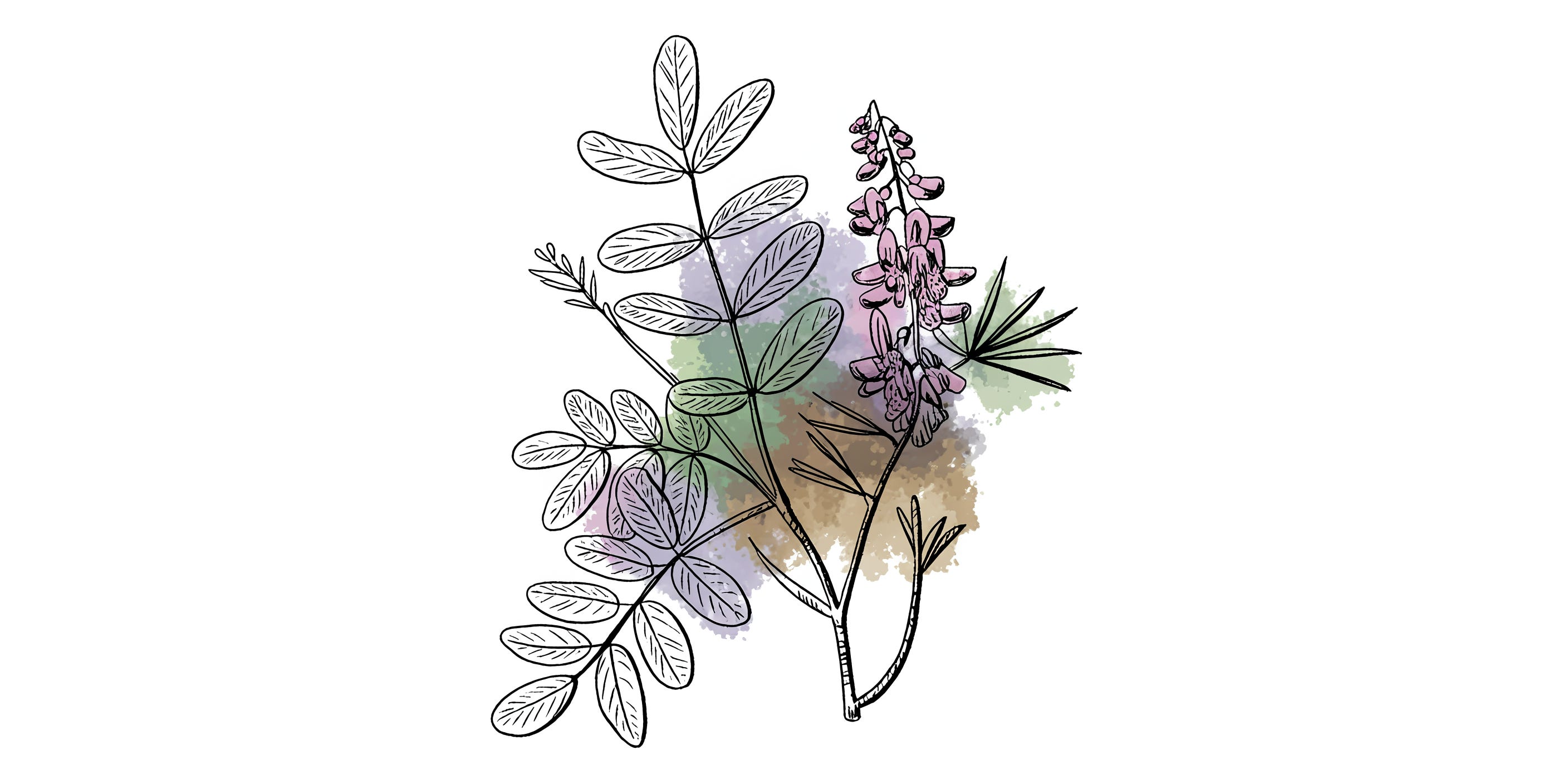
If your ancestors wore blue, it’s very likely they were wearing a plant.
The color blue typically came from a plant called true indigo. Indigofera tinctoria is a shrub that grows one to two meters high, with light green leaves and clusters of pink or violet flowers. It doesn’t really look like much from the outside. But there were people who crossed oceans to have it.
Because true indigo is the plant that produced indigo dye. The pigment has been prized for thousands of years. Archaeological evidence shows indigo was used in the Indus Valley Civilization over 5,000 years ago. It was found in cloth from Egyptian tombs. A cuneiform tablet from the 7th century BC gave instructions for dyeing wool with it.
It was so valuable that sailors and tradesmen called it “blue gold.” In the 1700s, it was one of the most valuable exports in places like South Carolina and the Caribbean. At one point, a single block the size of a wooden matchbox sold for more than $40, which was a fortune back then.
