

The Poisonous Mango
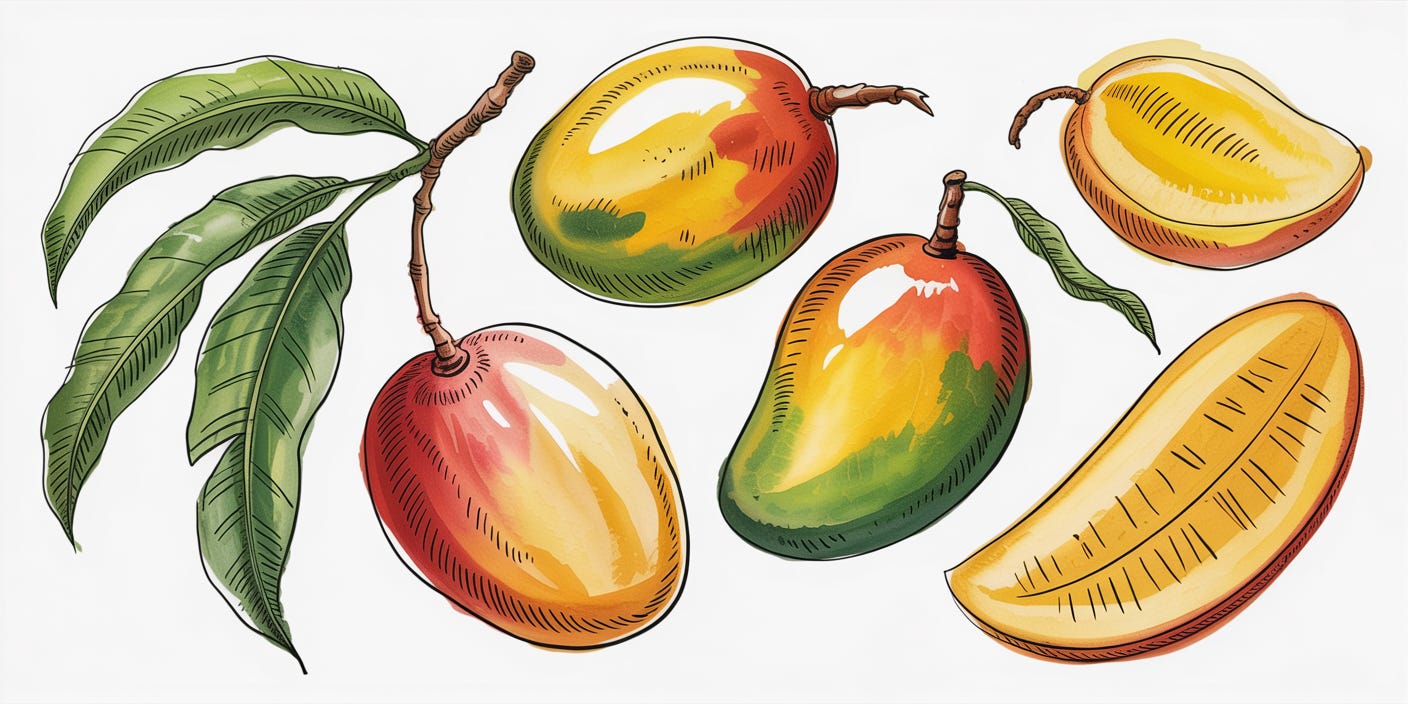
One of the most eaten fruits that can give you poison ivy is the mango.
I learned this the hard way. Not through a rash on my leg like the man in the 1998 case report I’ll get to in a minute. I learned it by burning mango wood.
A few years ago I had trimmed back a mango tree and decided to burn the branches. Standing over the fire, breathing in the smoke, I started to feel it. My throat tightened. My eyes swelled. My skin felt like it was crawling. I thought I was having some kind of allergic reaction to something else in the yard. Took me two days to figure out it was the mango.
Turns out, when you burn mango wood, the same compound that gives you poison ivy goes airborne. I had basically given myself poison ivy in my lungs. Which is a sentence I never thought I would write.
Here’s why that happens.
The compound that causes poison ivy rashes is called urushiol. It’s an oily sap that binds to your skin and triggers an immune reaction. Mangos contain urushiol too. Not in the flesh. In the skin and the sap and the wood and the leaves.
Mangos are in the same plant family as poison ivy. The Anacardiaceae family. It includes poison ivy, poison oak, poison sumac, and also cashews and pistachios. The mango is the edible cousin of the plants that exist specifically to ruin your week.
