

The Star That Fell From Sri Lanka and Ended Up in Your Fruit Bowl
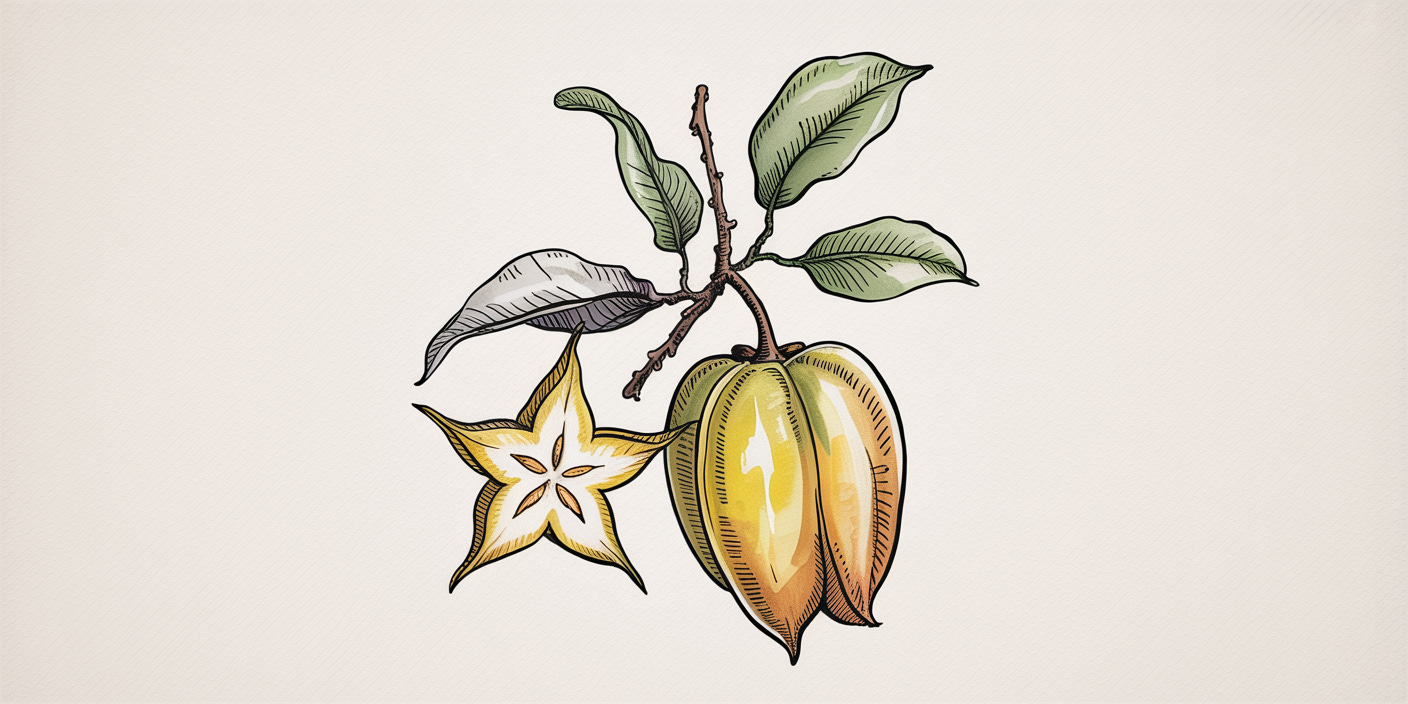
One of the most beautiful fruits you’ll ever see anywhere is the star fruit.
When you cut it, it forms a perfect five pointed star. Sometimes six, if the fruit is feeling generous. That’s why the Western world calls it star fruit. The name is descriptive. It works. You know exactly what you’re getting.
But it didn’t start out with that name.
It actually originated in Sri Lanka and the Maluku Islands in Indonesia. Some sources say the Malay Archipelago more broadly, from Java up to the Philippines. It’s been grown there for centuries, possibly millennia. The center of diversity is tropical Southeast Asia, meaning this is where it evolved and diversified before humans started moving it around.
It was called carambola. The word comes from the Sanskrit “karmaranga,” which means “food appetizer.” That’s the original name. That’s what it was called when Austronesian traders carried it to India, when it spread through Southeast Asia, when it became a staple in home gardens from Malaysia to the Philippines.
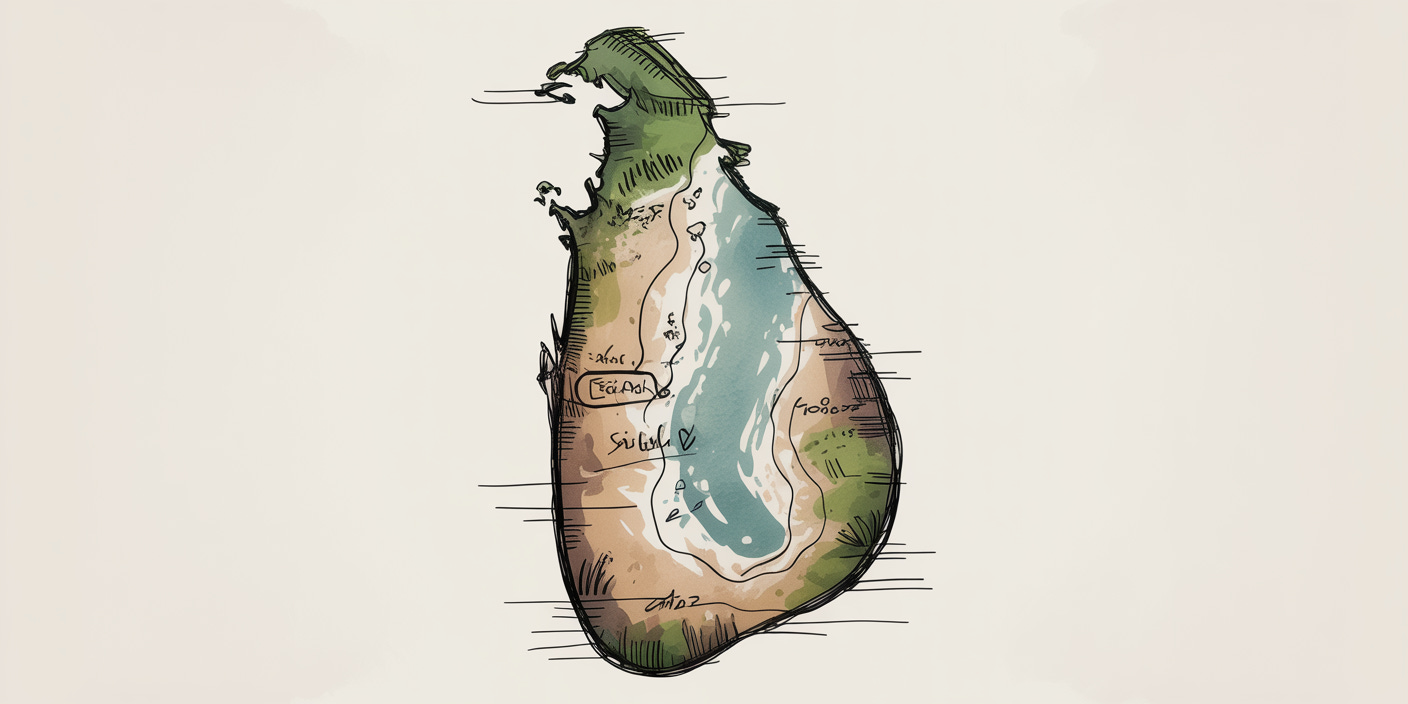
The fruit travelled. It went from Sri Lanka and Indonesia to the Indian subcontinent, then further into Southeast Asia, then east to the Pacific Islands, then west to Africa, then across the ocean to the Americas. The Portuguese took it from India to Africa and South America. By the 18th century, it had reached Europe, where it was considered fashionable and served only in exclusive restaurants.
But when it reached Western markets in the 1800s, the name changed. Carambola became star fruit. It was a way to rebrand the fruit for customers that were curious. “Carambola” means nothing to an English speaker. “Star fruit” means something you can visualize. You can see it before you buy it. It’s marketing, plain and simple.
The sweet variety tastes like a lemon and a pear had a baby. The flavor is subtle, sometimes compared to a mix of apple, pear, grape, and citrus. It rarely has more than 4% sugar content, so it’s sweet without being overwhelming. The texture is crunchy, firm, and extremely juicy, like a grape with more structure.
And the sour variety is typically used to cook or pickle foods. In the Philippines, they eat unripe carambolas dipped in rock salt. In Thailand, they cook them with shrimp. In Australia, they make them into relishes. In China, they cook them with fish. The sour ones have more oxalic acid, which gives them that tartness that cuts through rich dishes.
A fruit that started in Sri Lanka and Indonesia. That was carried by traders across oceans. That got a new name so Westerners would buy it. That tastes like lemon and pear. That pickles your food when it’s sour.
Which is… pretty insane.