

The Tree That Uses Lightning as a Weapon
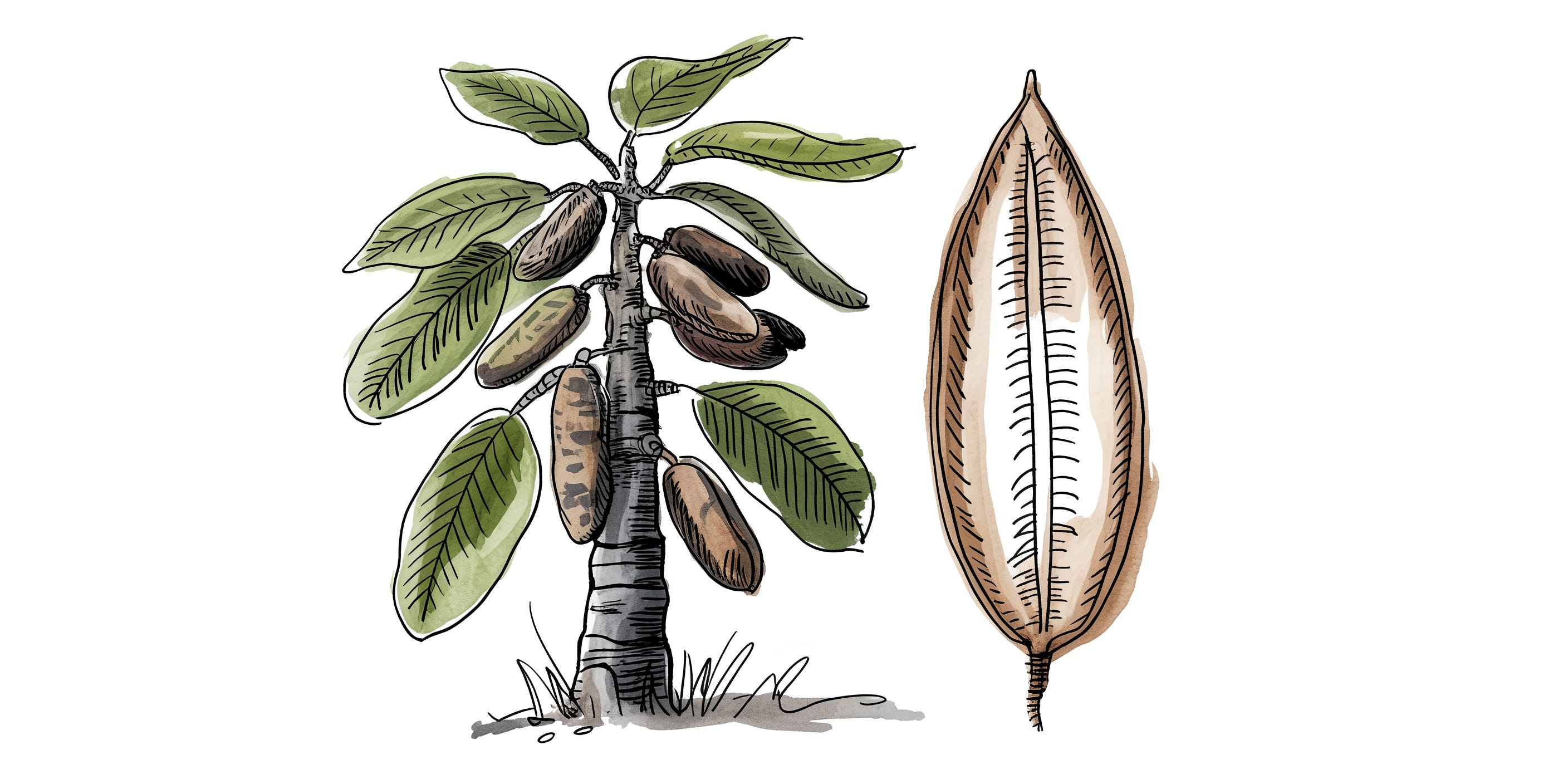
One of the coolest trees I’ve ever studied actually enjoys being struck by lightning.
Tonka bean trees grow super tall, all the way out in the Amazon and the lowland rainforests of Panama. They can reach 130 feet, towering over the canopy. They get struck by lightning more than other trees. But instead of dying, they actually grow better.
Scientists started noticing this about ten years ago. Evan Gora, a forest ecologist at the Cary Institute, was walking through a Panamanian forest when lightning almost hit him. He looked at the trees that had been struck, expecting destruction. They looked fine.
So he built a system. Cameras, electric field sensors, an antenna array to detect radio waves from lightning. Over years, he tracked nearly 100 strikes. More than half the trees that were hit died. But every single tonka bean tree survived. Some were struck multiple times. One specimen was hit twice in five years and just kept going.
The trunks on those trees are really dense and they hold a lot of water. They have high internal conductivity, which lets the electrical current flow through without building up damaging heat. Like a well insulated wire instead of a resistor.
So when lightning hits, the tree survives. And all the vines and competing plants die off. On average, each strike kills about 2.4 tons of nearby tree biomass and nearly 80 percent of the parasitic vines infesting the tonka bean’s canopy. The tree gets cleared of competition, opens up the canopy for light, and just... thrives.
Those trees can be struck at least five times during their entire lifetime. They live for centuries. Some estimates say over a thousand years. Each strike helps them produce 14 times more seeds.
